

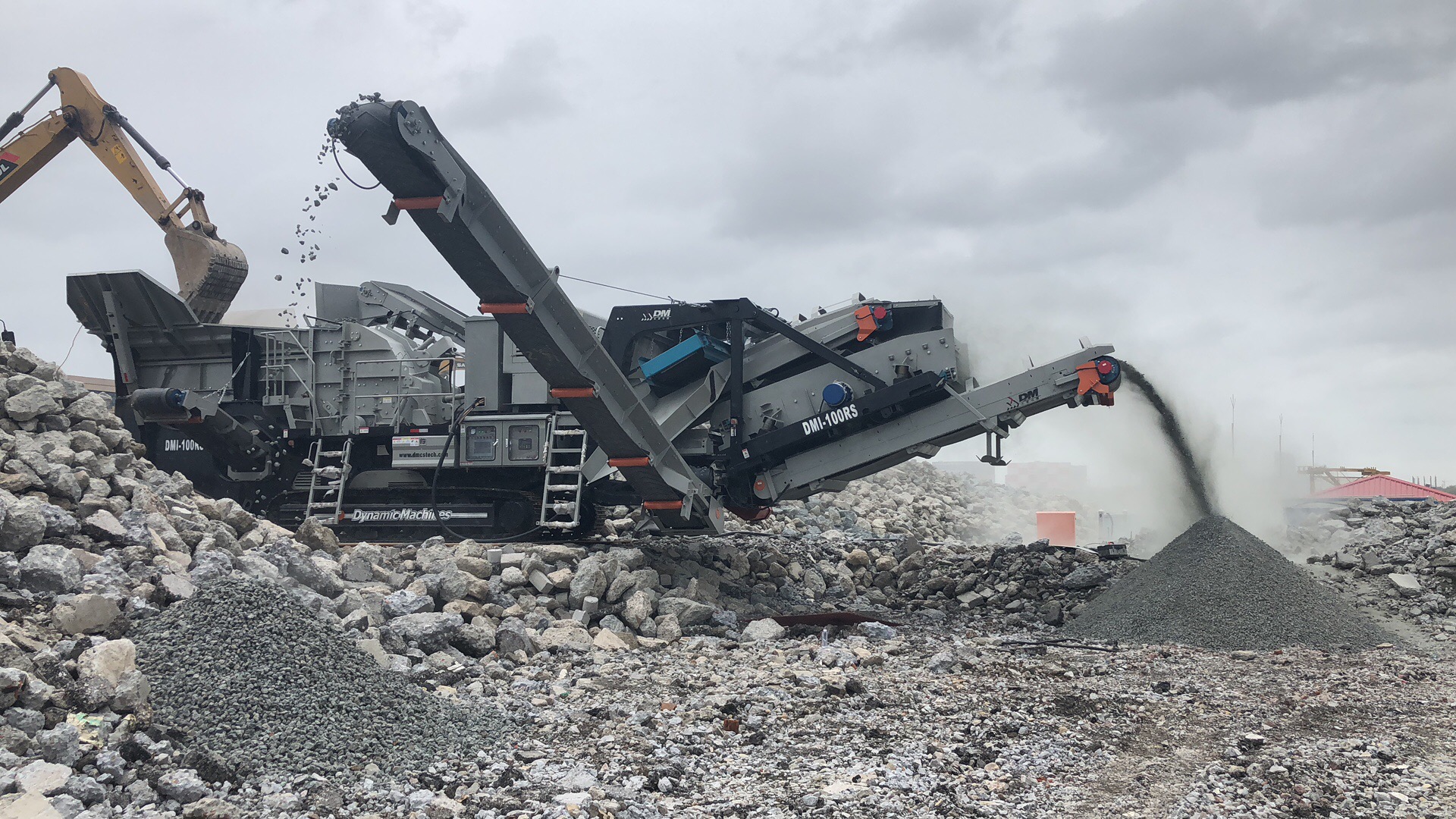
Mobile impact crusher is the core equipment for construction waste recycling amid continuous urban renewal, old community renovation, factory demolition and municipal road resurfacing projects. For construction contractors and recycling enterprises, the real challenge is not the shortage of raw materials. Instead, waste materials are scattered across different construction sites with complex composition, restricted transportation and high disposal costs. If all waste is transported to fixed disposal yards, companies will face high freight fees, complicated approval procedures, as well as restrictions from urban traffic limits, environmental inspections and limited yard capacity. Meanwhile, the recycled aggregate market requires good particle shape, stable gradation and low impurity content. Otherwise, these aggregates cannot be applied in road subbase, recycled bricks, precast concrete components and municipal backfilling works.
Core Pain Points of Construction Waste Projects: Transportation and Product Quality
Two common contradictions exist in construction waste recycling projects. On one hand, raw material sources are widely distributed and each construction site only lasts for a short period. On the other hand, fixed production lines demand stable material supply and long-term land occupation. If fixed equipment is adopted, customers need to collect and transport materials for centralized processing. Transportation, loading, stacking and environmental covering will all increase costs. Delayed waste disposal leads to land occupation on site, which may hinder construction progress and site image management.
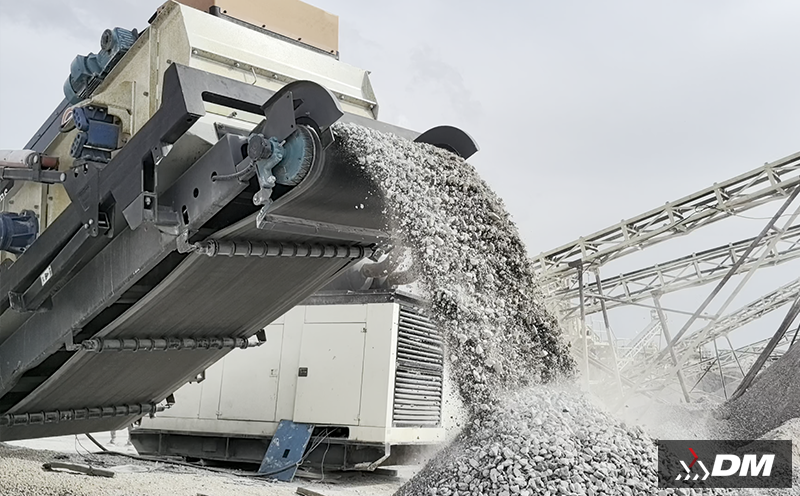
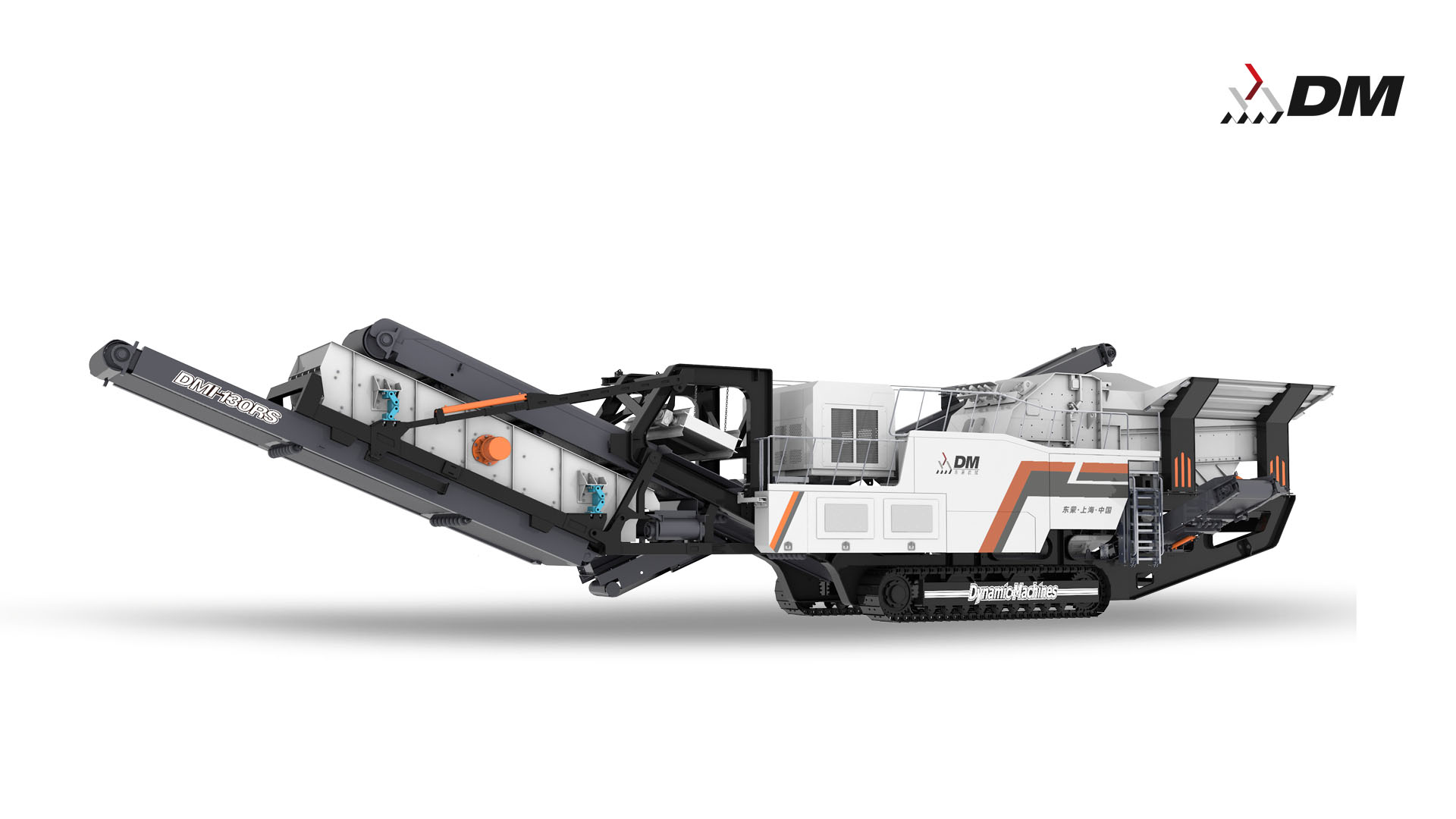
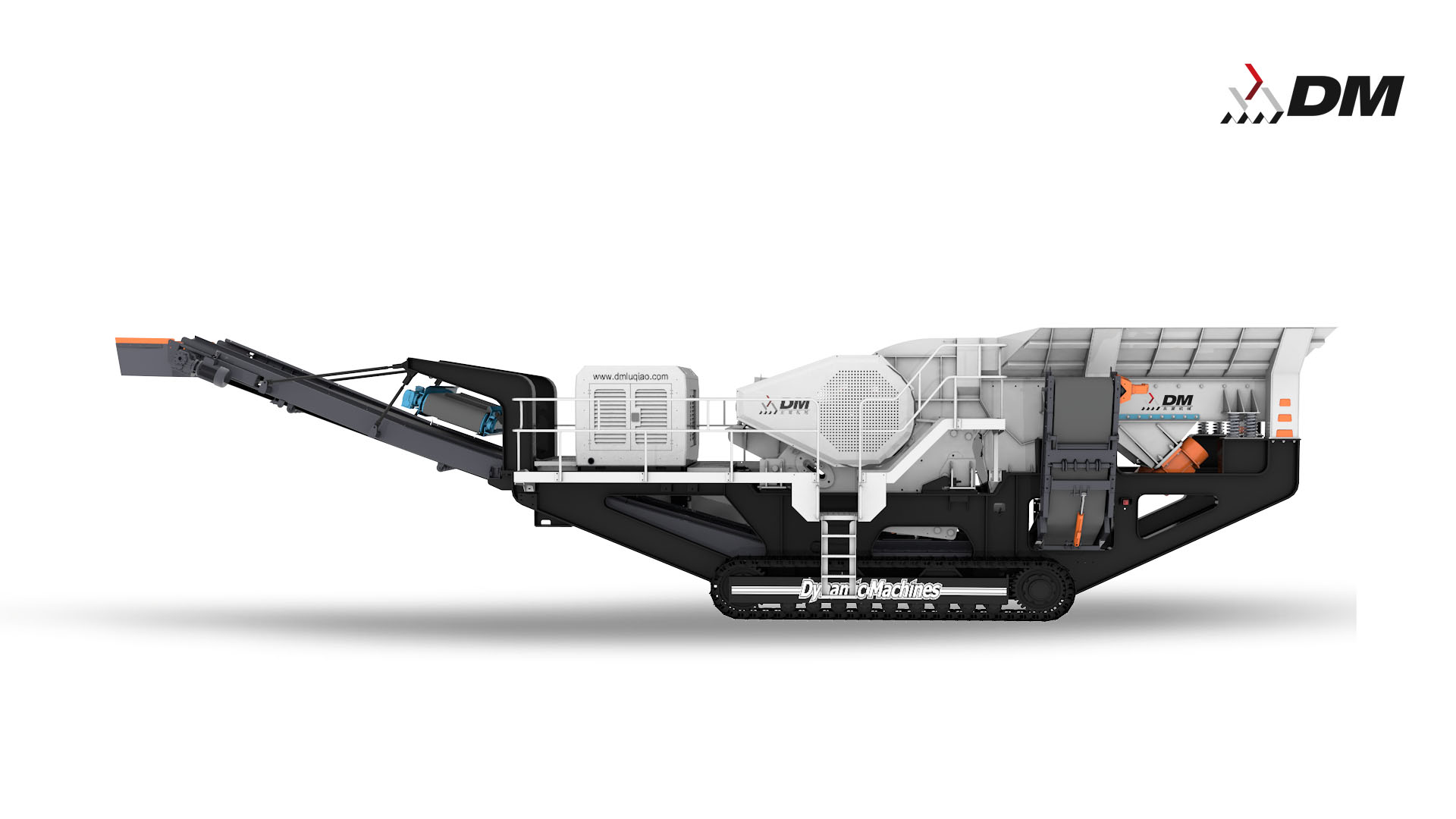
Another pain point lies in finished product quality. Construction waste is often mixed with steel bars, wood blocks, plastics, light impurities and soil. Simple crushing produces poor particle shape and disordered gradation, resulting in low selling prices. The crawler mobile impact crusher adopts impact crushing principle and delivers excellent shaping performance for concrete, brick and mixed materials, improving the particle quality of recycled aggregates. Combined with magnetic separators and screening machines, it can separate usable aggregates, fine materials and impurities to make recycled products meet market requirements.
On-site Processing Reshapes the Cost Structure of Projects
Transportation cost usually accounts for a large proportion in traditional construction waste disposal. Especially for urban construction sites, vehicle access is time-restricted, route approval is complicated, and fuel and labor costs keep rising. After deploying the crawler mobile impact crusher, the equipment can move along with construction progress. Crushing processing is completed near the material source, reducing outward transportation of large-volume waste. Customers can either transport finished recycled aggregates or reuse materials directly on site.
For road resurfacing projects, old concrete pavement and milled asphalt materials can be crushed and screened on site or at nearby temporary yards. Part of the recycled materials can be used for road subbase or temporary construction access roads. In factory demolition projects, large concrete blocks are crushed and separated from steel bars to form aggregates of different specifications for site backfilling, floor base courses or external sales. This solution saves not only transportation fees, but also disposal charges, yard rental fees and costs of purchasing new raw materials.
Application Scenarios: Demolition, Municipal Works, Industrial Parks and Temporary Disposal Centers
The crawler mobile impact crusher is particularly suitable for projects with unfixed construction cycles, frequently changing sites and medium-to-low hardness construction waste. At urban demolition sites, its crawler walking system allows position adjustment within limited space and shortens the hauling distance of loaders. For municipal engineering, the equipment can be quickly relocated according to road construction sections to cut down road occupation time. Industrial park renovation projects usually have large sites but scattered materials. Mobile units can operate close to material piles to boost processing efficiency.
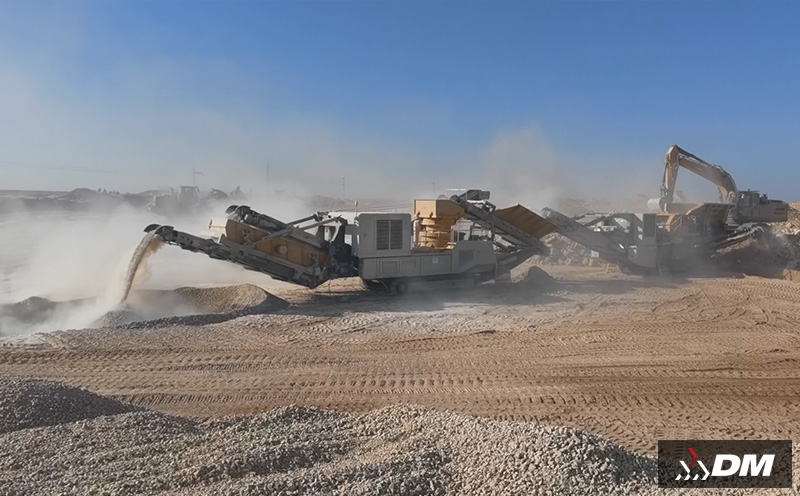
In counties or suburban areas, customers can set up mobile temporary recycling centers. When demolition waste accumulates in a certain area, the equipment can be mobilized for on-site processing. After one project finishes, it can be transferred to the next construction site. This model is more flexible than building a large fixed production line, ideal for markets with unstable construction waste supply yet continuous disposal demand.
Product Combination Determines the Value of Recycled Aggregates
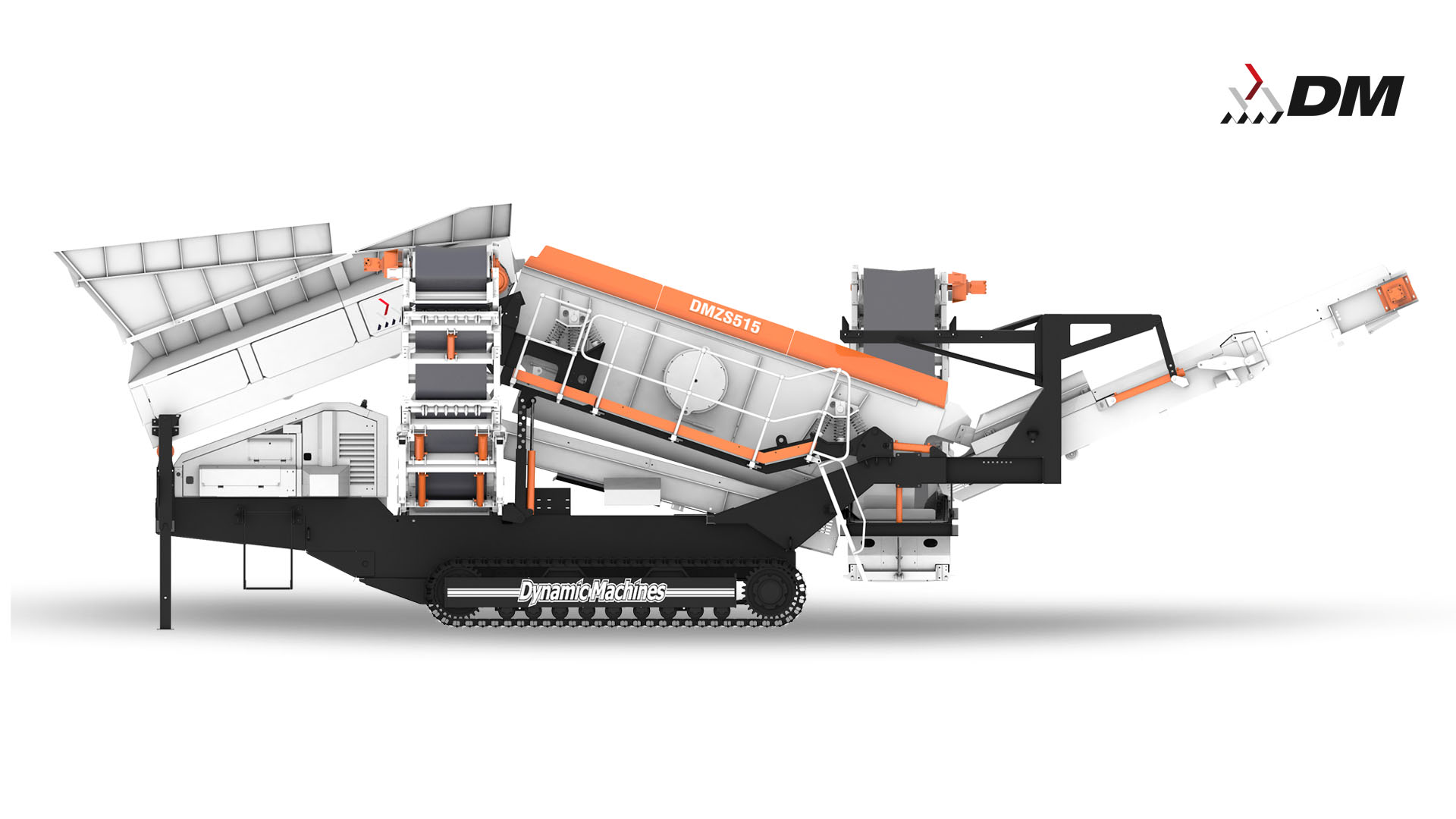
A single crawler mobile impact crusher can finish main crushing tasks. To achieve higher profits, users need to configure supporting equipment according to material composition. A hydraulic breaker can be equipped at the front end to handle oversized blocks. Pre-screening in the feeding section removes soil and fine powder. A magnetic separator installed behind the crushing host recovers steel bars and metals. A crawler mobile screening machine can be added at the rear to classify materials into 0-5mm, 5-10mm, 10-31.5mm and other specifications. For decoration mixed materials with high light impurity content, air separation or manual sorting can also be considered.
This combination is not designed to complicate the equipment setup, but to ensure clear application purposes for finished materials. Recycled aggregates of different particle sizes can enter different market segments. Fine materials are used for backfilling or brick making. Medium and coarse aggregates apply to road base courses. Materials with good particle shapes can be used for water-stabilized layers or non-structural concrete products. Clear product classification helps customers sell materials easily and accelerate project payment recovery.
Customer Benefits: From Disposal Service Revenue to Raw Material Substitution
There are three main profit sources of construction waste recycling: disposal service fees, recycled aggregate sales and cost savings on purchasing new raw materials. By shortening transportation distance and improving finished product quality, the crawler mobile impact crusher helps customers stack these three types of benefits. For demolition enterprises, on-site processing strengthens project contracting capacity. For aggregate producers, recycled construction waste supplements natural aggregate supply. For municipal construction companies, on-site reuse reduces material costs and meets green construction standards.
In addition, as local governments tighten requirements on construction waste reduction, recycling and harmless treatment, enterprises equipped with mobile processing units are more qualified to bid for government projects, temporary disposal tasks and emergency waste removal missions. The equipment is more than a crusher; it serves as proof of production capacity for customers to enter the recycling market.
Operation & Maintenance: Mobile Equipment Requires Strict On-site Management
Mobile equipment features flexibility, yet on-site management cannot be loose. For construction waste applications of crawler mobile impact crushers, operators need to strictly control feed size, steel bar length, mud content and proportion of light impurities. Overlong steel bars may wind the rotor or block discharge outlets. Excessive mud will reduce screening efficiency. Undetected wood and plastic scraps degrade finished product value.
Operators shall adjust rotor speed, impact frame gap and feeding rate according to material conditions. Do not blindly pursue instantaneous output at the cost of particle shape and equipment service life. Before relocation, inspect crawlers, hydraulic systems, conveyor belts, magnetic separators and electric control connections to guarantee fast mobilization and demobilization. For customers operating across multiple sites, it is essential to establish equipment maintenance logs, wear part inventory and operator training systems.
Conclusion: Mobile Impact Crusher Creates On-site Value for Construction Waste
The key to construction waste recycling is not simply smashing waste materials, but turning them into usable, sellable and deliverable recycled materials with proper processes. With good mobility, shaping performance and flexible combinability, the crawler mobile impact crusher helps customers cut transportation costs, improve on-site disposal efficiency and expand application scenarios of recycled aggregates. For enterprises stepping into urban renewal, municipal renovation and green building material sectors, adopting the mobile impact crusher solution brings project profits forward to construction sites and turns construction waste from a burden into a new profit source.

We will answer your email shortly!