


1. Basic Introduction to Stone Crusher
Stone crusher is the special core equipment in sand and aggregate industry. It is mainly used for mechanical crushing and shaping of various natural rocks and ores, turning large raw stones into crushed stone and manufactured sand aggregates of different particle sizes. As essential equipment for mining, infrastructure construction and solid waste recycling, stone crusher is compatible with stones of various hardness. It alleviates the shortage and limited exploitation of natural sand resources. Widely applied in road construction, bridge projects, urban infrastructure, mineral processing, construction waste recycling and many other fields, it serves as vital equipment for modern‑day sand‑aggregate production.
2. Core Working Principle of Stone Crusher
Stone crusher applies extrusion, impact, grinding and splitting force on stones through mechanical power to break the internal molecular structure of ores and realize crushing and size reduction of large‑size raw materials. Different models adopt distinct crushing mechanisms, mainly divided into extrusion, impact and inter‑particle crushing modes. After raw materials enter the crushing chamber, primary crushing, secondary size reduction and particle shaping are completed by high‑speed operation or reciprocating extrusion of core components. Cooperated with screening equipment for classification, it finally produces sand‑aggregate with uniform particle size and reasonable gradation that meets engineering standards. The whole process features high efficiency and a high degree of automation.
3. Common Classifications of Stone Crusher and Applicable Materials
3.1 Jaw Type Stone Crusher
Jaw type stone crusher is a classic primary crushing device. It crushes stones by reciprocating extrusion of jaw plates, featuring large crushing ratio, wide feeding opening and outstanding compression‑wear resistance. It is specially designed for primary crushing of large‑size high‑hardness stones such as granite, basalt, iron ore and quartz stone. With stable operation, low failure rate and strong load‑bearing capacity, it is the preferred equipment for raw ore processing in mines and mostly deployed for the first crushing stage of sand production lines.
3.2 Impact Type Stone Crusher
Impact type stone crusher adopts high‑speed impact crushing principle, focusing on medium‑fine crushing and stone shaping. Finished aggregates have rounded particle shape with low flaky content. It suits medium‑low‑hardness stones and brittle materials including limestone, blue stone, shale and concrete blocks. Delivering high‑quality end products, it is widely used in municipal infrastructure, road aggregate processing and construction waste recycling, realizing both crushing and shaping functions.
3.3 Cone Type Stone Crusher
Cone type stone crusher applies hydraulic inter‑particle crushing technology for precise medium‑fine processing of high‑hardness and high‑abrasion rocks. It boasts excellent wear resistance, stable output and even discharging performance. It can efficiently process hard ores and makes up for the deficiency of fine‑product output from ordinary crushers. It is commonly used for high‑grade sand‑aggregate production and fine processing in large‑scale mines, and frequently matched with jaw crushers to form complete crushing production lines.
3.4 Mobile Stone Crusher
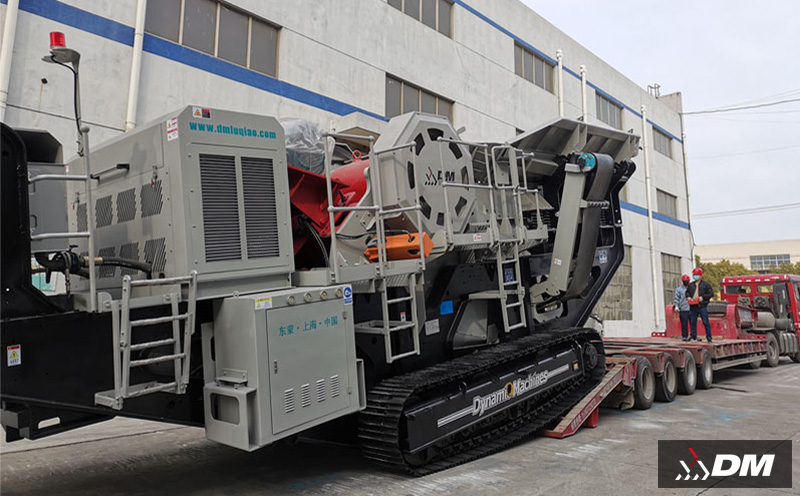
Mobile stone crusher is an integrated relocatable crushing unit that combines feeding, crushing, screening and conveying functions. It requires no foundation installation and can be deployed directly on construction sites for on‑site stone processing. It fits projects with limited site space, short construction periods and frequent relocation demands. It can flexibly handle raw stones on‑site, construction waste, river pebbles and other materials, greatly cutting material transportation costs and providing higher flexibility compared with fixed equipment.
4. Main Application Fields of Stone Crusher
Stone crusher covers a wide range of stone processing scenarios. In mining industry, it performs graded crushing of various ore raw materials. For infrastructure projects, it produces qualified crushed‑stone aggregates for highways, railways, bridges and water conservancy works. In urban renovation projects, it realizes resource recycling of demolition construction waste and waste stone. Besides, it is applied in river‑pebble cleaning, earth‑rock works for site leveling and building‑material raw‑material processing. It is indispensable core equipment for industrial and infrastructure sectors.
5. Core Features of Stone Crusher Equipment
5.1 Wide Material Compatibility and Strong Versatility
Stone crusher can process high‑hard, medium‑hard and soft stones, ranging from tough mine raw ore to lightweight construction waste stone. By changing machine models and adjusting discharge gaps, it can produce multiple specifications of crushed stone and manufactured sand. One unit serves multiple purposes with great versatility.
5.2 High Crushing Efficiency and Stable Finished‑product Quality
New‑generation stone crusher is optimized in crushing structure and operating parameters. It delivers even crushing force and high working efficiency, supporting 24‑hour continuous stable production. Processed aggregates feature controllable particle size, reasonable gradation and qualified hardness, fully meeting material standards for construction, road and bridge projects.
5.3 Energy‑saving, Environment‑friendly and Low Operating Cost
Modern stone crusher is equipped with energy‑saving motors and sealed dust‑removal structures, achieving lower energy consumption and less dust pollution to satisfy green production requirements. Wear‑resistant spare parts have long service life with low failure rate and simple daily maintenance, effectively reducing long‑term production and maintenance costs with prominent cost‑performance.
6. Key Points for Stone Crusher Selection
6.1 Select Model According to Stone Hardness
For high‑hardness stone processing, jaw or cone stone crusher is preferred. For soft materials such as limestone and construction waste, impact crusher can meet requirements. For frequent relocation operations, choose mobile models. Proper matching with material characteristics avoids equipment overload wear and insufficient capacity.
6.2 Select Equipment Based on Capacity and Finished‑product Requirements
Small‑scale processing and primary coarse crushing can adopt small‑size crushers. Large‑scale mass production and fine‑aggregate processing require medium‑to‑large crushing equipment. Equip primary and secondary crushing machines reasonably according to required particle size and output to guarantee production efficiency and product quality.
6.3 Focus on Equipment Quality and After‑sales Support
When purchasing stone crusher, prioritize source manufacturers with solid material, mature craftsmanship and complete qualifications. Pay close attention to key configurations such as wear‑resistant parts, core motors and machine‑body workmanship. Meanwhile confirm manufacturer’s services including installation, commissioning, repair and spare‑parts supply, so as to avoid production delays caused by lack of maintenance support after equipment failure.
7. Daily Maintenance Methods for Stone Crusher
Proper daily maintenance can effectively extend service life and stabilize output of stone crusher. Before operation, check fastening bolts, liner plates, jaw plates, blow bars and other wearing parts, and replace aged or damaged components timely. Lubricate bearings and transmission systems regularly to prevent jamming and abrasion. Clear residual stones inside the machine after work to avoid material blockage. Inspect electric‑control and power systems periodically, implement dust‑proof and rust‑proof measures, and prohibit operating faulty equipment.
8. Conclusion
Stone crusher acts as core equipment for stone processing and sand‑aggregate production. Featuring wide compatibility, high crushing efficiency, reliable product quality and low maintenance cost, it is widely used in mining, infrastructure, solid‑waste recycling and building‑material processing industries. Different models fit distinct stones and working conditions. Users shall select machines scientifically based on processed materials, capacity demands and construction scenarios. Combined with standardized daily maintenance, equipment performance can be fully exerted to improve productivity, cut production costs and create considerable economic benefits for various engineering projects.











We will answer your email shortly!