

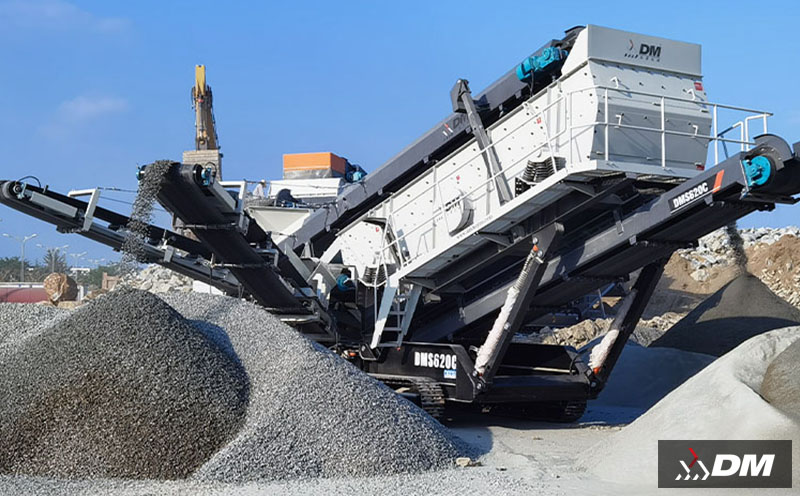
In mineral processing, aggregate production, solid‑waste recycling and chemical industries, the vibrating screen serves as an indispensable classification device in crushing‑screening production lines. It separates bulk materials according to particle size, removes impurities and improves finished‑product quality. Reasonable selection and deployment of vibrating‑screen equipment can greatly optimize the workflow of your whole plant and raise overall economic returns.
1. Aggregate and Quarry Production
Sand‑and‑gravel quarries are one of the largest application scenarios for vibrating screens. After primary, secondary and fine crushing, stones are delivered to multi‑deck vibrating screens, which classify crushed rock into different finished sizes, such as 0‑5mm, 5‑10mm, 10‑20mm and 20‑31.5mm. Oversized particles are sent back to the crusher for re‑crushing in closed‑circuit circulation. Accurate grading guarantees high‑quality aggregates for highway construction, concrete batching plants and building projects.
2. Mineral Processing and Ore Dressing Plants
Within mining workflows, vibrating screens carry out pre‑screening, check‑screening and dewatering tasks. Before entering the crushing chamber, fine gangue soil is sifted out to reduce crusher load. After crushing, ores are sorted to separate qualified particles and return coarse fractions for further comminution. For wet‑processing mines, dewatering vibrating screens can remove excess water from mineral slurry and cut transportation costs of wet ore materials.
3. Construction‑Waste and Municipal Solid‑Waste Recycling
When recycling demolished concrete, bricks and asphalt residues, vibrating screens classify recycled aggregates. They separate fine soil, sand and coarse gravel from crushed construction debris. Combined with magnetic separators, vibrating screens help remove steel‑bar impurities and produce high‑grade recycled aggregates that can be reused for road backfilling, permeable brick manufacturing and site reclamation.
4. Coal and Coke Processing Industry
Vibrating screens are widely used for raw‑coal classification, medium‑coal separation and de‑sludging. They divide coal into different grain‑size fractions for different combustion or washing requirements. High‑efficiency screening reduces over‑crushing of coal and improves resource‑utilization efficiency in coal‑preparation plants.
5. Other Industrial Application Fields
Vibrating‑screen equipment also shows strong versatility in many other sectors. It can screen limestone, gypsum and clay for cement plants, classify quartz sand in glass‑raw‑material workshops, and filter granular materials in chemical, fertilizer and metallurgical production. Custom‑made mesh sizes, screen decks and sealing structures are available for dusty, wet, high‑temperature or corrosive working‑conditions.
Tips for Choosing a Suitable Vibrating Screen
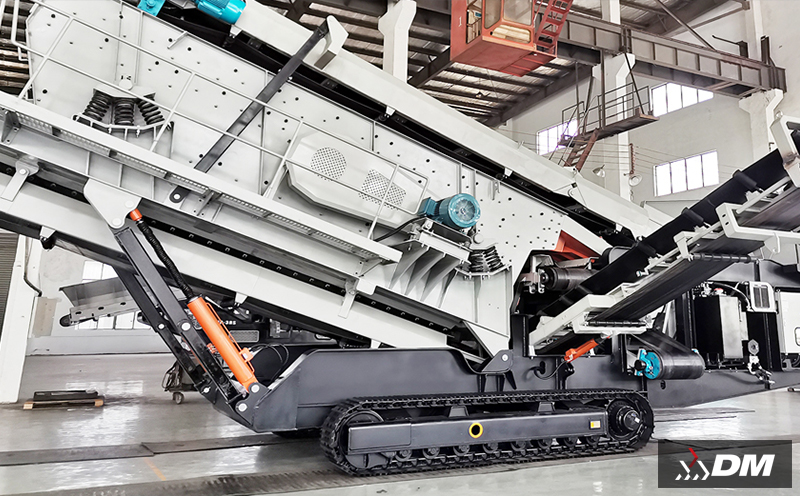
Confirm your material properties including humidity, particle‑size distribution, bulk density and abrasiveness. Define required hourly throughput and final grading specifications. Compare screen‑mesh material, vibration‑motor configuration, frame rigidity and ease of maintenance. Mobile‑screening modules can also be matched with mobile crushing stations for flexible on‑site operation.
Professional Vibrating‑Screen Solutions from Trusted Manufacturer
High‑precision screening equipment is vital to maximize the value of your crushing‑line investment. If you intend to buy durable and high‑performance screening machinery, work with a reliable vibrating screen factory — Shanghai Dongmeng. Our technical team designs customized single‑layer or multi‑layer vibrating screens, provides complete crushing‑and‑screening‑line layout, on‑site commissioning, operator training and worldwide after‑sales‑service support, helping your industrial‑processing project achieve stable and efficient material classification.












We will answer your email shortly!