

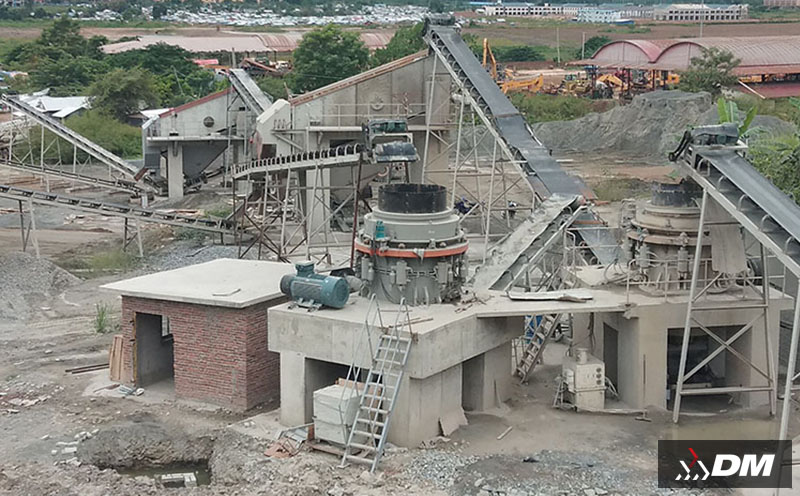
In global fields such as mining exploitation, sand and gravel aggregate processing, road infrastructure, and fine ore crushing, the cone crusher features high-strength hard rock crushing capacity, excellent aggregate particle shape and stable production capacity, serving as the core equipment for medium and fine crushing of hard ores such as granite, basalt and iron ore. As the core load-bearing and transmission component of the cone crusher, the main shaft bears impact load, torsional stress and alternating pressure throughout the equipment operation. Its structural rationality, material strength and machining accuracy directly determine the operational stability, service life and production efficiency of the entire crusher. Most shutdown failures, capacity attenuation and body vibration problems of global overseas mines and sand production lines are closely related to main shaft failures including wear, jamming, cracks and fracture. For global engineering contractors, sand and gravel enterprises and mine operation and maintenance teams, a full understanding of the core structure of the cone crusher main shaft, accurate troubleshooting of failure causes, standardized daily protection, and selection of technically mature and well-crafted crusher manufacturers are the core keys to avoiding major equipment failures, reducing operation and maintenance costs and ensuring long-term stable production of production lines.
1. Core Structure and Working Principle of Cone Crusher Main Shaft
The main shaft of a cone crusher is the core carrier of power transmission and crushing operation. Adopting an integral high-strength alloy steel forging structure with precise structure and complex stress conditions, it mainly consists of the main shaft body, stress transition section, sleeve matching section, bearing mounting position and lower thread section. All structural parts cooperate orderly to ensure continuous high-load operation of the equipment. The gradual stress transition structure in the middle of the main shaft can effectively disperse concentrated stress during operation and avoid structural cracking caused by long-term impact. The outer part is precisely matched with the cone sleeve to realize stable rotary swing of the moving cone and complete ore extrusion crushing. The special trapezoidal thread structure at the lower end ensures stable pre-tightening force of moving cone assembly and prevents displacement and loosening during operation. The bearing position of the main shaft accurately matches the transmission bearing to bear all torsional and impact loads, acting as a key part of equipment power transmission. Compared with ordinary crusher accessories, the main shaft has extremely high requirements for materials, heat treatment processes and machining accuracy, and is also the core component most prone to fatigue failure.
2. Common Failure Types of Cone Crusher Main Shaft
2.1 Main Shaft Surface Wear and Excessive Matching Clearance
This is the most common failure type of global cone crushers, mainly occurring at the matching positions of the main shaft, cone sleeve and bearings. During long-term continuous operation, the matching parts are under continuous friction. Coupled with dust intrusion, insufficient lubrication and deteriorated grease, the surface metal of the main shaft will wear and the matching clearance will continue to expand. Excessive clearance will cause radial runout of the main shaft, moving cone shaking and abnormal body vibration during operation, directly leading to poor particle shape of finished aggregates and reduced production capacity. Long-term neglect will further trigger chain failures such as bearing damage and eccentric wear of the main shaft.
2.2 Main Shaft Jamming and Seizure Failure
Main shaft seizure is a sudden major failure that directly causes emergency shutdown of the production line. It mainly includes two inducements: first, non-crushable sundries such as iron blocks and steel bars enter the crushing chamber, rigidly jamming the moving cone and main shaft and causing force locking of the main shaft; second, lubrication system failures such as blocked oil circuits and insufficient oil supply lead to dry friction between the main shaft and cone sleeve, resulting in rapid temperature rise and seizure, causing irreversible damage to the surface structure of the main shaft and seriously affecting subsequent normal operation of the equipment.
2.3 Main Shaft Fatigue Cracks and Fracture Failure
As a high-risk destructive failure, main shaft fracture is mostly caused by long-term accumulation of fatigue damage. The cone crusher bears high-frequency impact load and alternating stress during operation. Long-term overloaded feeding, excessive material hardness and frequent iron impact will generate tiny fatigue cracks in the stress concentration areas of the main shaft. With the increase of operation time, the cracks continue to expand and eventually lead to main shaft fracture, which directly paralyzes the equipment with extremely high maintenance costs and huge shutdown losses. It is a key equipment failure to be prevented in global mine crushing projects.
2.4 Main Shaft Deformation and Thread Failure
Long-term overload operation, insufficient installation accuracy and uneven body stress will cause slight bending deformation of the main shaft, destroy the operation balance of the equipment, and lead to continuous vibration, excessive noise and uneven crushing. Meanwhile, the trapezoidal thread at the lower end of the main shaft bears long-term high-frequency pre-tightening force and impact, which is prone to thread wear, sliding and tooth collapse, resulting in unstable fixing and operation deviation of the moving cone, and seriously affecting crushing accuracy and equipment stability.
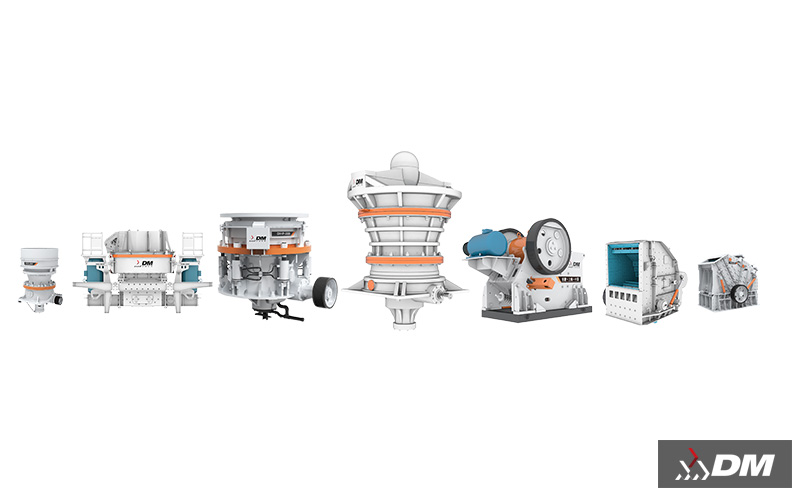
Core Inducement Analysis of Cone Crusher Main Shaft Failure
3.1 Non-standard Working Conditions and Operation
Most global main shaft failures stem from inappropriate working condition adaptation and non-standard manual operation. Long-term overloaded feeding, feeding particle size exceeding equipment standards and excessive material hardness keep the main shaft in an overloaded stress state and accelerate fatigue damage. Failure to timely remove metal sundries in ores and frequent iron impact are the main causes of main shaft cracks and fractures. In addition, equipment start-stop with materials, long-term eccentric feeding and long-term high-intensity open-air operation will continuously consume the structural performance of the main shaft and greatly shorten its service life.
3.2 Lack of Lubrication and Maintenance System
Lubrication is the core method to protect the main shaft and reduce wear, and lubrication failure is the primary human factor leading to main shaft wear and seizure. Many overseas construction sites have problems such as improper lubricating grease selection, untimely refueling, unreplacing deteriorated grease and uncleaned blocked oil circuits, which fail to form an effective protective oil film on the main shaft friction surface and result in direct metal friction and wear. Meanwhile, the lack of regular inspection makes it impossible to discover hidden problems such as tiny main shaft cracks, excessive clearance and thread wear in a timely manner, leading small faults to gradually evolve into major equipment failures.
3.3 Manufacturing Material and Process Defects
The bearing capacity, fatigue resistance and wear resistance of the main shaft completely depend on production materials and heat treatment processes. Low-end crushers adopt inferior steel materials with excessive impurities and inadequate heat treatment processes, resulting in insufficient main shaft strength, poor toughness and weak impact resistance. Even with standardized operation and maintenance, the main shaft is prone to rapid wear, cracking and fracture. High-quality main shafts adopt high-strength alloy materials and undergo precise quenching and tempering heat treatment, stress elimination and precision turning, which greatly improve fatigue resistance, impact resistance and wear resistance at the hardware level and adapt to global complex high-intensity working conditions.
4. Core Equipment Stability Relies on R&D and Process Strength of Professional Crusher Manufacturers
The service life, failure probability and operational stability of cone crusher main shafts are fundamentally determined by the R&D design, material selection, processing technology and quality control standards of crusher manufacturers. Cone crushers produced by small factories have inherent defects such as unreasonable main shaft structural design, unsmooth stress transition, inferior materials, low machining accuracy and inadequate heat treatment. After put into use, they frequently suffer from main shaft wear, vibration, fracture and other faults, which not only increase operation and maintenance costs, but also seriously affect project duration and production benefits. Professional original crusher manufacturers focus on the R&D of core crusher accessories, optimize structural design according to the stress characteristics of the main shaft, select high-end alloy materials, and adopt mature heat treatment processes and precision processing technologies to avoid various failure risks from the source. They also provide complete working condition adaptation schemes and operation guidance to ensure long-term stable equipment operation.
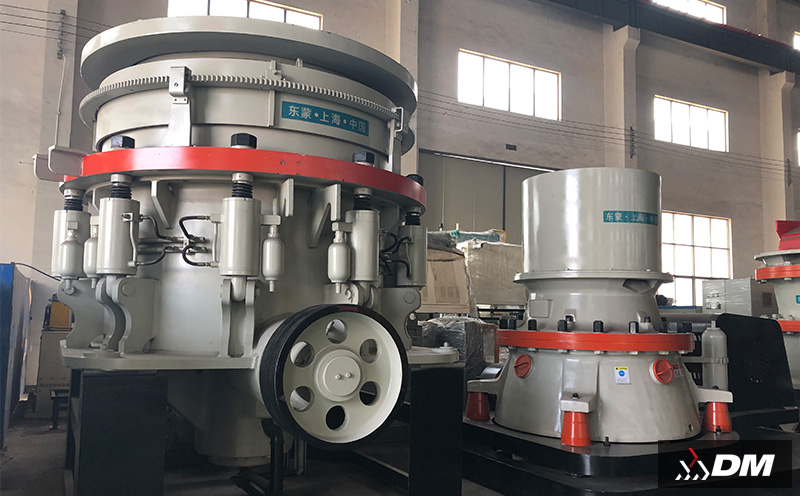
5. Shanghai Dongmeng Equipment: Precision Main Shaft Design Solves Cone Crusher Failure Problems from the Source
As a powerful professional crusher manufacturer deeply engaged in the global crushing and screening industry, Shanghai Dongmeng Equipment has years of experience in the R&D and production of cone crushers. It thoroughly explores the working condition pain points of global mine hard rock crushing and long-term high-intensity continuous operation, specially optimizes the main shaft structure and production processes for high-frequency failures such as main shaft wear, cracks, fracture and seizure, and develops high-stability, high-wear-resistant and anti-fatigue high-quality core accessories for cone crushers, fully adapting to various complex global crushing working conditions.
The main shaft of Shanghai Dongmeng cone crusher adopts national standard high-strength alloy steel integral forging technology with pure materials and low impurity content. Through multiple quenching and tempering heat treatment and stress elimination processes, it effectively avoids fatigue damage under long-term impact load and greatly improves the main shaft's impact resistance, fracture resistance and deformation resistance. The optimized gradual stress transition structure completely solves the stress concentration defect of traditional main shafts, disperses operation impact force and reduces the risk of cracks and fractures from the source. The matching surface, thread position and bearing position of the main shaft are processed by precision CNC machining with high matching accuracy and uniform clearance, which effectively reduces friction and wear and avoids main shaft runout and body vibration. Meanwhile, aiming at overseas operation and maintenance characteristics, it optimizes the lubrication adaptation structure and matches standardized lubrication schemes, greatly reducing the probability of main shaft seizure and wear failures.
In addition to high-precision hardware configuration, relying on a mature global service system, Shanghai Dongmeng provides global customers with one-stop services including main shaft failure prevention schemes, standardized equipment operation and maintenance manuals, regular working condition calibration guidance, remote fault troubleshooting and global delivery of original high-precision accessories. According to the material characteristics, operation intensity and construction environment of different regions, it customizes exclusive equipment operation and maintenance schemes to help overseas users effectively avoid various main shaft failures, extend equipment service life, reduce shutdown losses and operation and maintenance costs, and ensure efficient, continuous and stable operation of cone crushing production lines.
6. Conclusion
In summary, cone crusher main shaft failures are mainly divided into four types: wear, seizure, crack and fracture, deformation and thread damage. The inducements cover three dimensions: operation standardization, maintenance system, and equipment technology and materials, which are core hidden dangers affecting the stable operation of crushing production lines. To effectively avoid long-term main shaft faults and reduce equipment operation and maintenance costs, it is necessary to standardize on-site operation and establish a scientific lubrication and inspection maintenance system. More importantly, it is essential to select professional crusher manufacturers with reasonable structural design, high-quality materials and mature technology. As a high-quality original brand represented by Shanghai Dongmeng Equipment, it solves the core failure problems of cone crushers from the hardware source with precise main shaft design, strict production quality control and comprehensive global services, continuously empowering the efficient, green and stable development of global mining exploitation, sand and gravel aggregate processing and infrastructure projects.












We will answer your email shortly!