

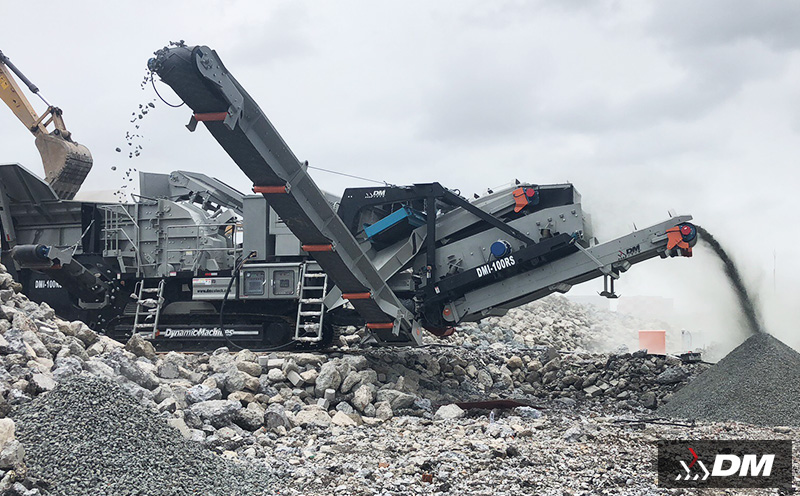
Crushing reduces rock size, but screening determines product value. A crusher can produce a wide range of particle sizes, but without accurate separation, it is all just unspecified crusher run. The screening machine is where raw crushed material becomes saleable products—specific fractions with defined gradations that customers pay for. While stationary screening plants dominate permanent quarries and large aggregate yards, many operations need the same accurate classification in temporary locations, multiple job sites, or satellite pits. This is the role of the tracked mobile screening machine. Mounted on a crawler undercarriage with integrated feed hopper, vibrating screen box, discharge conveyors, and onboard power, a mobile screen brings multi-deck classification directly to wherever the material is. Whether working downstream of a tracked mobile jaw crusher and tracked mobile cone crusher in a complete portable aggregate train, or operating standalone to scalp topsoil, sort recycled material, or stockpile existing quarry run, a tracked mobile screen adds product flexibility and revenue potential to any mobile operation.
Why Mobile Screening Matters in Modern Operations
Aggregate and recycling operations are becoming more distributed and more temporary. Contractors are working on more job sites simultaneously. Quarries are developing smaller satellite deposits. Recycling companies process material at the source rather than hauling everything to a central yard. Road builders move their processing plants along the highway alignment. In all of these scenarios, a fixed screening machine installed on a concrete foundation is simply not practical. What operators need is a screening plant that travels easily, sets up quickly, and produces the same accurate separations as a stationary unit. The tracked mobile screening machine delivers exactly that—professional-grade screening performance with full mobility.
Core Pain Points That Mobile Screening Solves
Multiple Products, One Machine
Without screening, a mobile crusher produces only one blended product, which typically sells for the lowest price per ton. Adding a tracked mobile screening machine to the circuit allows the operator to separate three, four, or even five different size fractions, each targeted at a different application and each potentially commanding a different price. A single pass through the screen turns crusher run into base course, chip, manufactured sand, and oversized recirculating material—dramatically improving the revenue potential of every ton processed.
No Permanent Infrastructure Required
Setting up a stationary screening building requires foundations, support steel, multiple conveyors, electrical power, and often a control room. For a temporary job or a satellite pit, the civil and structural work alone can cost more than the screen itself. A tracked mobile screening machine eliminates all of that. It drives off the lowbed, unfolds its conveyors, and starts screening the same day. There is no concrete, no structural steel, no permanent installation.
Fast Relocation Between Sites
Many contractors and aggregate producers serve multiple locations. A tracked mobile screening machine can be moved from site to site as contracts change, keeping utilization high and spreading capital cost across many projects. When a road section is finished, when a satellite pit is exhausted, or when a demolition job wraps up, the screen simply moves to the next assignment.
Standalone Scalping and Stockpiling
Mobile screens are not just for crushing circuits. Used standalone, a tracked mobile screening machine can scalp oversize from quarry run, separate fines from recycled material, sort topsoil and compost, or simply stockpile material into different piles. This standalone versatility makes mobile screens popular with earthmoving contractors, landscapers, waste recyclers, and farmers as well as traditional aggregate producers.
How a Tracked Mobile Screening Machine Works
Integrated Vibrating Screen Box
At the heart of every tracked mobile screening machine is a multi-deck inclined vibrating screen, typically two or three decks, with a fourth top deck scalper on some models. The screen box is driven by two counter-rotating eccentric shafts that produce a linear or elliptical stroke, moving material down the screen decks while vibrating it to encourage fine particles to pass through the mesh. Screen media options include woven wire cloth, polyurethane panels, rubber panels, and perforated plate, chosen based on material type, abrasiveness, and required aperture.
Self-Contained Feed and Conveyors
A tracked mobile screen includes an integrated feed hopper—often with a vibrating grizzly or belt feeder—that accepts material from a loader or from the discharge conveyor of an upstream crusher. Multiple discharge conveyors—one per product deck plus an oversize conveyor—deposit each sized fraction into its own stockpile. On modern machines, these conveyors fold hydraulically for transport and unfold quickly on site, requiring no assembly.
Diesel-Hydraulic Power Pack
Because it must operate independently of grid power, the tracked mobile screening machine carries its own diesel engine and hydraulic system. The engine drives hydraulic motors that power the screen, conveyors, and feeder. This self-contained power is what allows the machine to work anywhere—from remote forest roads to urban demolition sites—without external utilities.
Key Application Scenarios
Portable Aggregate Crushing Trains
The most common application for a tracked mobile screening machine is as the sizing stage in a mobile crushing circuit. A typical train includes a tracked mobile jaw crusher for primary reduction, a tracked mobile cone crusher or tracked mobile impact crusher for secondary and shaping, and the mobile screen for final classification. Oversize material from the screen returns to the secondary crusher via the recirculating conveyor, creating a closed circuit that maximizes yield of saleable product. This three-machine setup is the standard portable aggregate plant used by road builders and contract crushers worldwide.
Standalone Quarry Run Screening
Many quarries have stockpiles of unscreened crusher run or pit run that can be upgraded into saleable products with a simple screening pass. A tracked mobile screening machine can be brought in to process these stockpiles, producing sized aggregates without building a permanent screening station. When the stockpile is gone, the screen moves to the next pile or the next quarry.
Topsoil and Compost Processing
In the landscaping and environmental industries, mobile screens are used to size topsoil, compost, mulch, and other organic materials. The gentle action of the screen separates fines from oversize twigs, roots, and rocks, producing a consistent, marketable soil product. Tracked mobility allows the screen to work directly on the compost windrow or the soil stockpile without damaging the site.
C&D Recycling Sorting
Recycling operations use tracked mobile screening machine units to separate crushed C&D material into fractions—fine soil and dust, mid-size recycled aggregate, and oversize material that needs further crushing. Some configurations include flip-flow screens or special media for handling sticky, hard-to-screen material like wet recycled concrete.
Sand and Gravel Alluvial Deposits
Alluvial sand and gravel deposits are often scattered across wide floodplains and river valleys. A tracked mobile screening machine can be moved from deposit to deposit, washing and sizing (when paired with a mobile wash plant) sand and gravel for local construction markets. This mobility allows small-scale operators to work deposits that would never justify a fixed plant.
Customer Benefits and Return on Investment
Increased Revenue per Ton
The biggest financial benefit of adding a tracked mobile screening machine to a mobile crushing operation is the ability to sell multiple products at different price points. Crusher run might sell for X dollars per ton, but separating it into three sized fractions can increase the average revenue per ton by 30–50% or more. For high-volume operations, this revenue uplift pays for the screen quickly.
High Utilization Across Applications
A tracked mobile screening machine is one of the most versatile pieces of equipment in a contractor's fleet. It can work in a crushing circuit one month, scalp topsoil the next, and process recycled glass or compost the month after. This cross-application versatility keeps the machine earning revenue year-round rather than sitting idle between crushing contracts.
Fast Setup and Teardown
Modern tracked mobile screens are designed for rapid deployment. An experienced operator can transport the machine to a new site, unfold the conveyors, set the feed height, and be screening material in under an hour. This speed means less non-productive time between jobs and more hours actually earning revenue.
Reduced Material Handling
Screening on site with a tracked mobile screening machine eliminates the need to haul unscreened material to a central processing facility. Every ton screened on site is a ton that does not need a truck, a driver, and fuel. For operations spread across a large area, these logistics savings are substantial.
Selection Considerations
Choosing the right tracked mobile screening machine depends on several factors. Screen size and deck count are the primary specifications—a larger screen box with more decks handles more tonnage and produces more fractions. Two-deck machines produce two products plus oversize; three-deck machines produce three products plus oversize. Feed hopper capacity and feeder type (vibrating grizzly vs. belt feeder) should match the expected input material and loading method. Discharge conveyor height and stockpile capacity determine how large a product pile can be built before repositioning. Engine power, emissions level, and transport weight are also important, especially for operators who move frequently between regulated jurisdictions. Screen media compatibility—whether the machine can accept wire cloth, poly panels, or flip-flow mats—affects the range of materials it can process effectively.
Operation and Maintenance Best Practices
Proper Screen Media Selection and Tensioning
The performance of a tracked mobile screening machine lives or dies with its screen media. Operators should select the right media type and aperture size for each application, and check tension regularly. Loose screen cloth wears quickly, breaks prematurely, and allows oversize material to contaminate product fractions.
Consistent Feed Rate and Distribution
For best screening efficiency, material should be fed evenly across the full width of the screen deck at a steady rate. Overloading causes carryover of fines into coarser fractions; underloading reduces throughput and wastes capacity. A properly sized feed hopper and feeder help maintain consistent loading.
Regular Conveyor and Undercarriage Maintenance
Because the machine moves frequently, track undercarriage components need regular inspection—pads, rollers, idlers, and drive sprockets all wear in rough conditions. Conveyor belts should be checked daily for tears, splice condition, and proper tracking. Cleanliness is important too; built-up material around rollers and pulleys causes premature wear and belt mistracking.
Screen Box and Drive Maintenance
The vibrating screen box and its drive mechanism are the heart of the machine. Bearings should be greased on schedule, drive belts checked for tension and wear, and the screen box inspected periodically for cracks or loose bolts. Vibration monitoring can help detect developing bearing or structural problems before they cause a catastrophic failure.
Conclusion
The tracked mobile screening machine is the unsung hero of portable aggregate production, recycling, and contract crushing operations. While crushers get most of the attention, it is the screen that turns crushed rock into specific, marketable products that customers are willing to pay premium prices for. For mobile operations, the tracked screen brings that product-defining capability to any job site, any pit, and any temporary stockpile—with no foundations, no permanent infrastructure, and no lengthy setup. Whether working as part of a complete mobile crushing train alongside a tracked mobile jaw crusher and tracked mobile cone crusher, or operating standalone to scalp, sort, and stockpile, the tracked mobile screening machine adds product flexibility, increases revenue per ton, and extends the utility of every other machine in the fleet. For contractors, recyclers, and aggregate producers who need to move fast and produce quality products anywhere, the mobile screen is not just an accessory—it is an essential profit center.












We will answer your email shortly!