

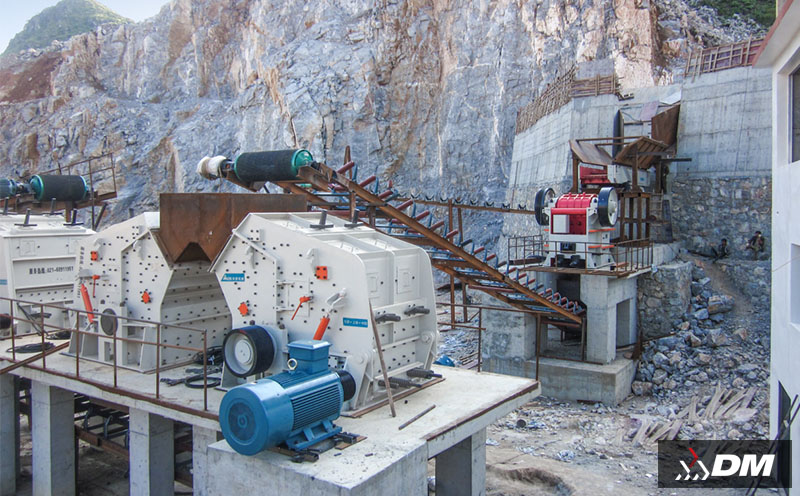
A crusher machine is the foundational workhorse of modern industry, designed to break down massive, raw materials into manageable, uniform particles. Its role extends far beyond simple size reduction; it is the critical first step in unlocking the value of minerals, constructing infrastructure, and powering the circular economy. By transforming unwieldy rocks, ores, and waste into standardized feedstock, crusher machines enable efficiency, sustainability, and progress across every stage of production and recycling.
I. The Core Functions of Crusher Machines
-
1. Enabling Efficient Material Handling
Large, unprocessed materials are logistically impractical. Crusher machines solve this by reducing volume and weight, making storage, transport, and feeding into downstream processes vastly more efficient. This directly translates to lower fuel costs, fewer safety hazards, and a smoother, more cost-effective supply chain.
-
2. Creating Specified Grades for Production
Every industrial process demands materials of a specific size. Crushers deliver this precision:
- In mining, they prepare ore for grinding and separation, maximizing mineral recovery.
- In construction, they produce the exact grades of sand and gravel required for high-strength concrete and durable road surfaces.
- In recycling, they break down complex waste streams, allowing for the effective separation and purification of valuable metals, plastics, and aggregates.
-
3. Catalyzing Sustainable Resource Management
Crusher machines are at the forefront of environmental stewardship. By processing construction, demolition, and industrial waste, they divert massive amounts of material from landfills, converting it into high-quality recycled aggregates and raw materials. This reduces our reliance on virgin resources, cuts down on carbon emissions, and builds a truly sustainable, circular model for resource use.
II. Diverse Applications Across Key Industries
The adaptability of crusher machines makes them indispensable in a wide range of sectors:
- Mining & Quarrying: Primary and secondary crushing of hard rock, ores, and minerals for extraction and processing.
- Construction & Infrastructure: Producing aggregates for concrete, asphalt, roads, bridges, and buildings.
- Recycling & Environmental Services: Processing C&D waste, asphalt, and concrete to produce recycled materials for new projects.
- Metallurgy: Reducing scrap metal for efficient melting and reuse in foundries and manufacturing.
- Chemical & Industrial Processing: Grinding raw materials into powders for use in fertilizers, ceramics, and other industrial products.
III. Conclusion
Crusher machines are more than just equipment; they are essential drivers of industrial efficiency and environmental sustainability. By converting raw and waste materials into valuable, process-ready resources, they underpin the global economy. As technology evolves, modern crushers—with enhanced automation, energy efficiency, and durability—continue to set new standards, solidifying their role as an irreplaceable asset for a more productive and sustainable future.
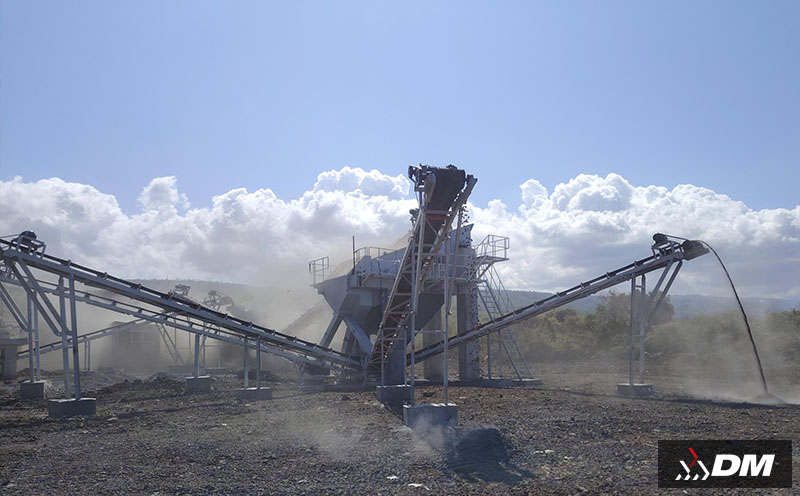
From Waste to Value: The Comprehensive Solution for General Solid Waste Management
The management of general solid waste (GSW), especially construction and demolition waste, is a defining challenge of urban development. Characterized by its high volume and mixed composition—including concrete, brick, wood, plastics, and metals—GSW requires a strategic, technology-driven approach to realize its full potential. A modern, effective GSW solution goes beyond disposal; it integrates advanced crushing, sorting, and processing to maximize resource recovery, minimize environmental impact, and create long-term economic value.
I. The Guiding Principles of Modern GSW Management
Successful GSW management is built on three core pillars, specifically engineered to handle complex materials like renovation waste:
- Resource Maximization: The primary objective is to recover the highest quality and quantity of recyclable materials, diverting waste from landfills and creating a circular supply chain.
- Operational Efficiency: Using mechanical processes like crushing and screening to drastically reduce waste volume, optimizing logistics and lowering overall costs.
- Environmental Compliance: Ensuring all operations meet strict environmental standards, safely handling hazardous components, and preventing soil, water, and air pollution.
II. The Integrated Processing Workflow: A Step-by-Step Breakdown
-
1. Controlled Intake and Pre-Separation
The process begins with careful intake and initial sorting. Upon arrival, waste is inspected, and bulky items are managed. A pre-sorting step removes large contaminants and hazardous materials, protecting downstream machinery and ensuring the purity of the final recycled products.
-
2. Advanced Crushing and Multi-Technology Separation
The heart of the system is a robust processing line, as exemplified by Shanghai Dongmeng's integrated solutions. This stage combines powerful crushing with a suite of separation technologies:
- Primary & Secondary Crushing: Reducing inert materials like concrete and brick to a consistent, workable size.
- Precision Screening: Separating material into precise, market-ready grades (e.g., 0-5mm, 5-20mm, 20-31.5mm).
- Air & Density Separation: Efficiently removing light contaminants (plastics, paper, wood) from the heavy aggregate fraction.
- Metal Recovery: Using magnetic and eddy current separators to extract ferrous and non-ferrous metals at high purity levels.
-
3. High-Value End-Product Utilization
The result is a range of valuable, market-ready materials:
- Recycled Aggregates: Clean, graded materials ideal for use in new concrete, road base, and drainage applications.
- Recovered Metals: High-purity steel, aluminum, and copper ready for direct sale to foundries.
- Secondary Resources: Clean wood for biomass fuel, purified plastics for re-granulation, and fines for site remediation and land reclamation.
III. Key Benefits of an Advanced Processing Solution
- Superior Product Quality: Multi-stage separation ensures recycled products meet or exceed industry standards for consistency and performance.
- Economic Viability: Transforms a waste liability into a revenue stream, significantly reducing disposal costs and creating new profit centers.
- Strong Environmental Performance: Fully compliant with global environmental regulations, drastically reducing landfill usage and carbon footprint.
- Operational Reliability: Robust, automated systems designed for maximum uptime, easy maintenance, and consistent performance in demanding conditions.
IV. The Economic and Environmental Impact
A comprehensive GSW processing solution delivers a dual return on investment. Environmentally, it conserves natural resources, reduces greenhouse gas emissions, and protects ecosystems from landfill pollution. Economically, it creates local jobs, generates revenue from high-quality recycled materials, and helps businesses and municipalities meet their ESG (Environmental, Social, and Governance) goals. It is a model that turns the challenge of waste into an opportunity for sustainable growth.
V. Summary
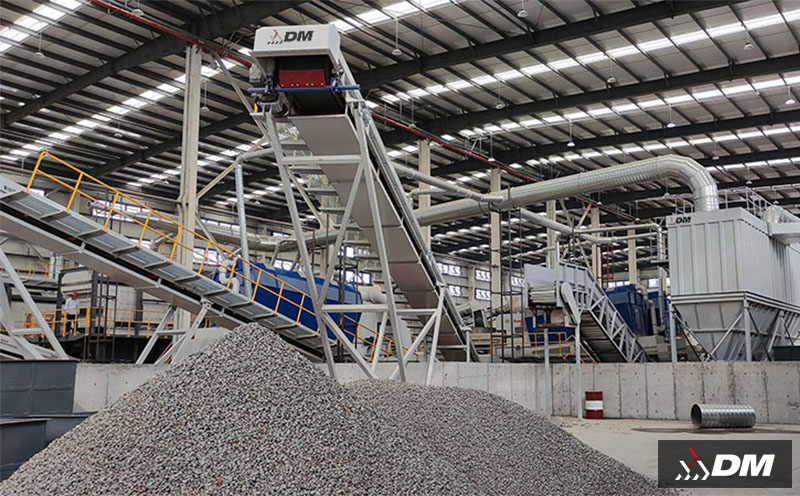
The transformation of general solid waste into a valuable resource is made possible by advanced crusher machine technology and integrated processing systems. By focusing on high recovery rates, operational efficiency, and environmental compliance, these solutions turn urban waste into a reliable, sustainable raw material source. This is not just waste management; it is resource re-engineering, essential for building resilient, low-carbon cities and a truly sustainable global economy.












We will answer your email shortly!