

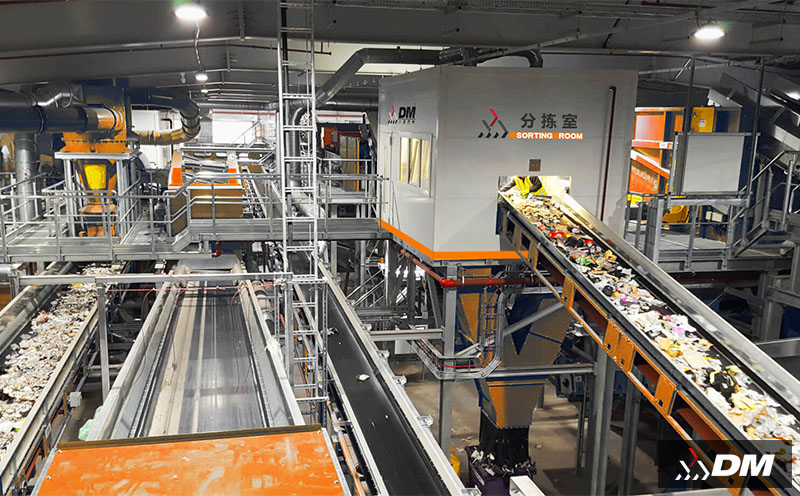
Construction waste refers to various types of waste generated during the new construction, reconstruction, expansion, demolition, and renovation of buildings. It is an important part of urban solid waste, distinct from other types of waste such as household waste and industrial waste.
1. Main Categories of Construction Waste
According to composition and form, construction waste can be mainly divided into the following categories:
- Residue soil: Soil, sand, gravel, broken bricks and tiles generated during construction excavation and transportation;
- Waste building materials: Scrap concrete blocks, steel bars, cement products, ceramic tiles, glass, wood, plastic pipes, metal components, etc.;
- Decoration waste: Coating residue, waste plates, wallpaper, thermal insulation materials generated during residential or building decoration;
- Other waste: Packaging waste, discarded tools, waste from the demolition of temporary buildings generated during construction, etc.
2. Characteristics of Construction Waste
- Large output: The large-scale development of the construction industry has led to a continuous increase in the output of construction waste, accounting for a high proportion of the total urban waste;
- Complex composition: Including inorganic materials (sand, concrete), organic materials (wood, plastic), metal materials and other types;
- High recyclability: Steel bars, concrete, bricks and tiles among them can be reused after treatment, such as making recycled aggregate, recycled bricks, etc.;
- Great harm of random disposal: If not disposed of in a standardized manner and piled up randomly, it will occupy land resources, pollute soil and water bodies, and even cause environmental problems such as dust.
3. Treatment and Resource Utilization of Construction Waste
With the improvement of environmental awareness, the resource utilization of construction waste has become a development trend of the industry:
1. Source reduction: Reduce the generation of construction waste by optimizing construction plans, using green building materials, etc.;
2. Classified collection: Classify and store different types of construction waste at construction sites to facilitate subsequent treatment;
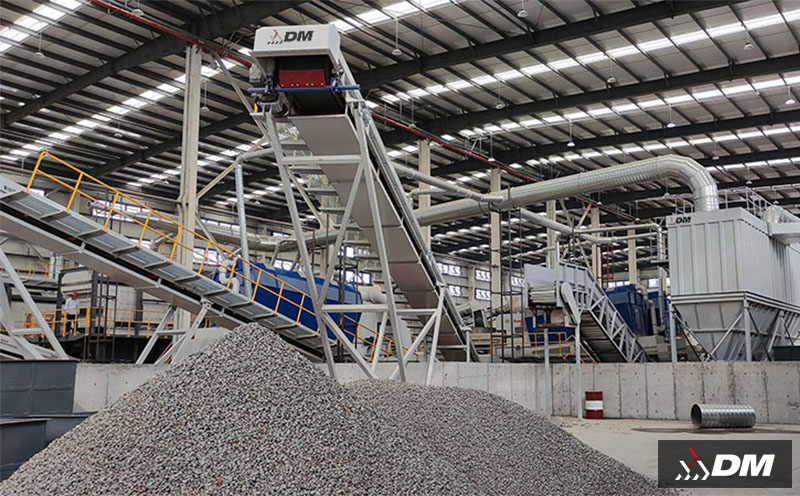
3. Resource treatment: After sorting, crushing and screening construction waste, process it into recycled aggregate for the production of road base courses, recycled concrete, permeable bricks and other products;
4. Standardized disposal: Transport construction waste that cannot be resourcefully utilized to designated disposal sites for harmless treatment.
4. Summary
Construction waste is not "useless garbage", but a resource in the wrong place. Scientific understanding of the definition, classification and characteristics of construction waste, and promotion of its reduction, resource utilization and harmless treatment are of great significance for saving resources, protecting the ecological environment, and promoting the green development of the construction industry.
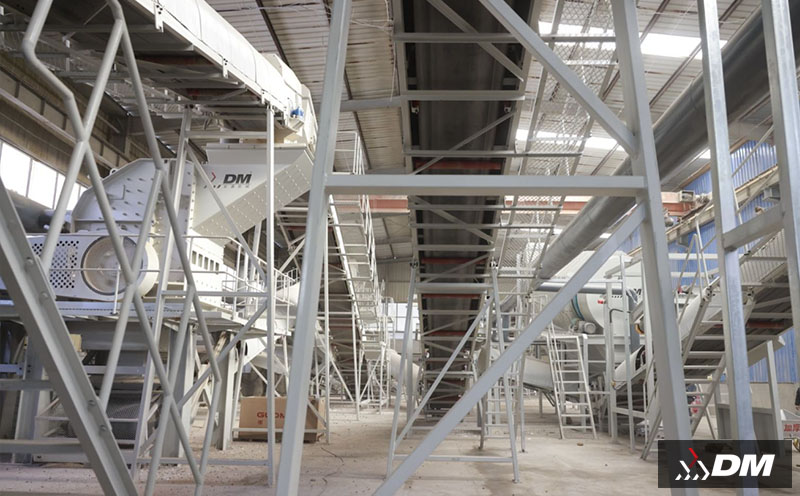
How to treatment of construction waste?
The standardized disposal of construction waste is an important part of urban solid waste management. Its core goal is to achieve "reduction, resource utilization and harmlessness". Different types of construction waste need to be matched with corresponding treatment processes and technical means, so as to avoid environmental pollution and maximize the excavation of resource value.
1. Core Principles of Construction Waste Disposal
Construction waste disposal must follow the whole-process principle of "source control - process classification - end utilization":
- Reduction first: Reduce waste generation from the construction source, such as optimizing building material cutting schemes, using reusable formwork, promoting prefabricated buildings, etc.;
- Resource utilization as the main approach: Sort and process recyclable construction waste to replace raw resources;
- Harmlessness as the bottom line: Dispose of non-recyclable waste in accordance with environmental protection requirements to avoid pollution.
2. Classified Treatment Process of Construction Waste
Construction waste must be classified before disposal, and the treatment methods for different components are significantly different:
- Residue soil (soil, sand): After screening, it can be directly used for site backfilling, road subgrade bedding, or processed into recycled filler;
- Waste building materials (concrete, steel bars, bricks and tiles): Metals such as steel bars can be directly recycled and smelted for reuse; concrete, bricks and tiles are crushed and screened to make recycled aggregate, which is used in the production of recycled concrete, permeable bricks, slope protection bricks, etc.;
- Decoration waste (plates, coating residue, thermal insulation materials): Plates can be disassembled to recover wood fiber, and harmful components such as coating residue need to be collected separately and handed over to professional institutions for harmless treatment;
- Other waste (packaging waste, discarded tools): Plastic and paper packaging are classified and recycled, and discarded metal tools are disassembled and recycled for smelting.
3. Main Technical Means of Construction Waste Disposal
At this stage, the mainstream construction waste treatment technologies can be divided into three categories:
1. On-site pre-treatment: Set up temporary sorting stations at construction sites to initially classify and crush construction waste, and reuse directly recyclable materials (such as intact bricks) on-site to reduce transportation costs;
2. Centralized resource treatment: Transport sorted construction waste to professional treatment plants, and separate different materials and process them into recycled building materials through crushing, screening, magnetic separation, air separation and other equipment;
3. Standardized disposal: Transport construction waste that cannot be resourcefully utilized (such as severely polluted residue soil, non-degradable mixed waste) to government-designated disposal sites, and adopt layered compaction, covering and anti-seepage methods for landfill to prevent soil and groundwater pollution.
4. Management and Guarantee of Construction Waste Disposal
Effective disposal is inseparable from a sound management system:
- Qualification control: Enterprises engaged in the transportation and treatment of construction waste must have corresponding qualifications, and unqualified units are strictly prohibited from random transportation and dumping;
- Whole-process traceability: Track the whole process of construction waste from generation to disposal through electronic ledgers, GPS positioning and other means;
- Policy guidance: Local governments have introduced subsidy policies to encourage the use of recycled building materials and improve the enthusiasm of enterprises for resource treatment.
5. Summary
Construction waste disposal is not simply "transportation and landfill", but a systematic project covering source reduction, classified treatment, resource utilization and whole-process supervision. With the progress of technology and improvement of policies, construction waste is gradually transforming from "waste" to "urban mineral resources", providing important support for green building and low-carbon urban development.












We will answer your email shortly!