

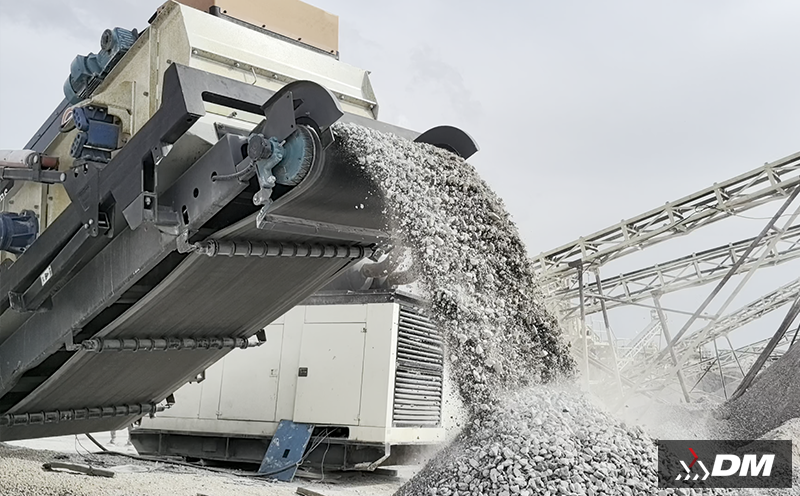
Rivers, ports, harbors, and waterways require regular dredging to maintain navigable depth, remove contaminated sediment, and restore aquatic ecosystems. This dredging produces enormous volumes of sediment—sand, silt, clay, and organic material—that must be dewatered, processed, and managed. Traditionally, dredged material was simply dumped at sea or in confined disposal facilities, but environmental regulations have tightened and beneficial reuse of dredged material is now the preferred approach. When dredged sediment contains usable sand and gravel, processing it into marketable products turns a waste management problem into a resource recovery opportunity. The tracked mobile screening machine plays a central role in this process, providing mobile, on-site sizing and dewatering of dredged material as it is brought ashore. Unlike a fixed screening machine that requires a permanent installation, a mobile screen can be set up right at the dredge disposal site, processing material as it arrives and producing multiple sized products that can be sold or beneficially reused. For dredging contractors, port authorities, and environmental remediation firms, a tracked mobile screen is both a sediment management tool and a resource recovery system that improves the economics of dredging projects.
The Challenges of Dredged Material Processing
Processing dredged sediment is different from processing quarry aggregate, and it presents a unique set of challenges. First, the material is wet—very wet. Hydraulic dredges pump sediment as a slurry with 70–90% water content. Mechanical dredges produce saturated material. Dewatering is the first and most critical processing step, and the screening equipment must handle high moisture without blinding or bogging down. Second, the material is highly variable. River and harbor sediment contains a mixture of sand, silt, clay, organic matter, shell debris, wood, and man-made trash. The composition changes from one location to another even within the same dredging project. The tracked mobile screening machine must handle this variability. Third, the volume can be enormous. Major port deepening projects dredge millions of cubic meters of material. The screening equipment must have the capacity to keep up with the dredge production rate. Fourth, environmental regulations are strict. Dredged material may be contaminated with heavy metals, organic compounds, or other pollutants. Processing must be done in a controlled manner to prevent the spread of contaminants, and the suitability of processed material for beneficial reuse must be verified. Fifth, the project location moves. Dredging projects progress along a river channel or across a harbor, and the processing equipment must be able to relocate periodically to stay near the active dredge area.
How a Tracked Mobile Screening Machine Solves Dredging Processing Challenges
Mobile Dewatering and Sizing in One Unit
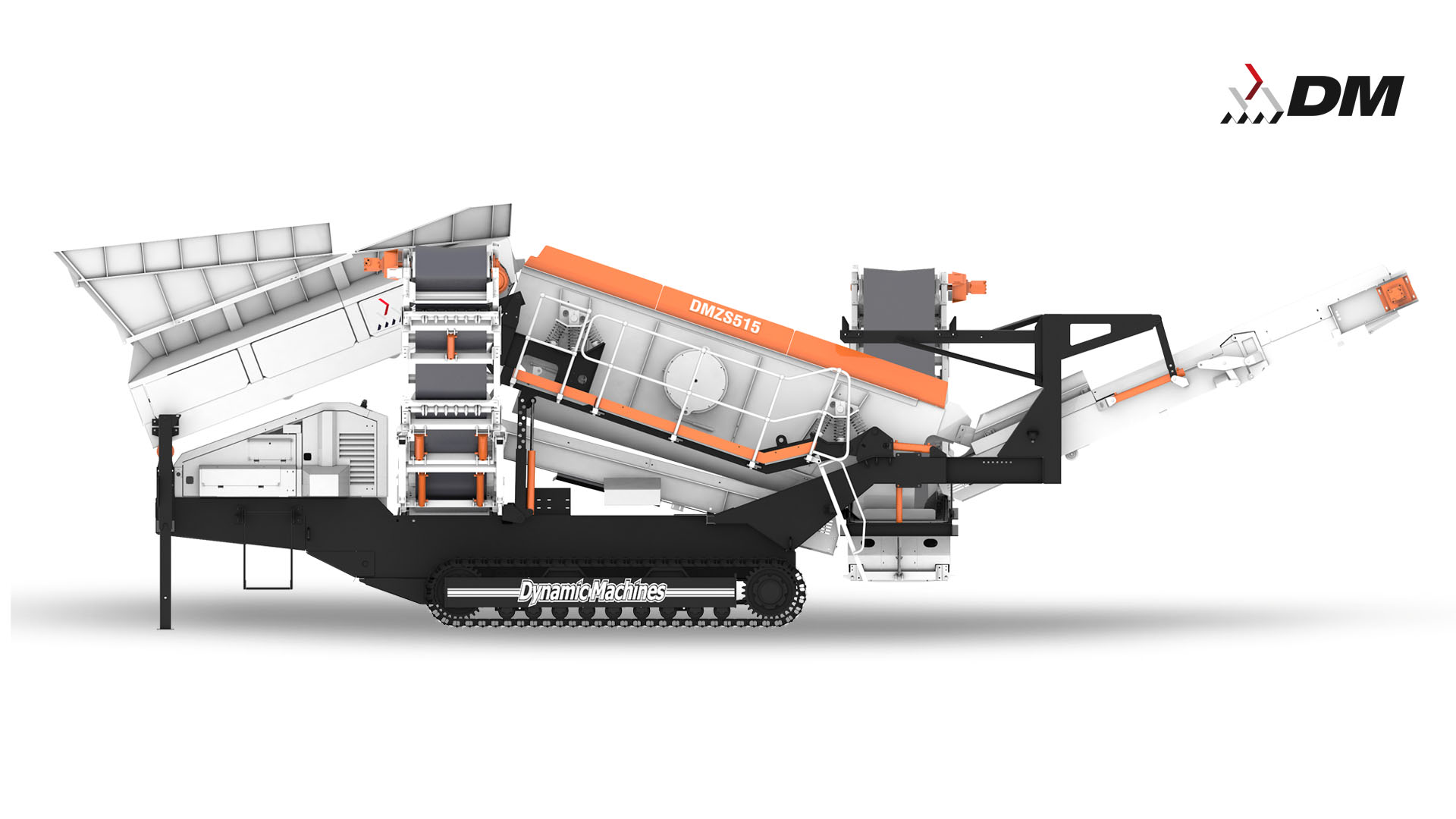
A tracked mobile screening machine combines dewatering and size classification in a single mobile unit. The vibrating screen both drains water from the dredged sediment and separates the solid material into size fractions. For dredging applications, the screen is often configured with a coarse top deck for removing oversize debris (wood, trash, large rocks), a middle deck for separating coarse sand and gravel, and a bottom deck for fine sand. The water and fine silt that passes through the screen collects in the underpan and is directed to settling ponds or water treatment systems. This combination of dewatering and sizing in one mobile machine is ideal for dredging projects where space is limited and the processing location moves.
Rapid Setup and Relocation
Dredging projects are inherently mobile—the dredge moves along the waterway, and the on-land processing equipment must move with it. A tracked mobile screening machine can be relocated quickly and easily. When the active dredge area moves a kilometer or two downriver, the screen simply loads onto a truck, drives to the new disposal site, and is back in operation within hours. This mobility ensures that the processing plant is always close to the dredge, minimizing haul distance and keeping the operation efficient. For long linear river dredging projects, this ability to relocate repeatedly is essential.
Self-Contained Operation Without Permanent Infrastructure
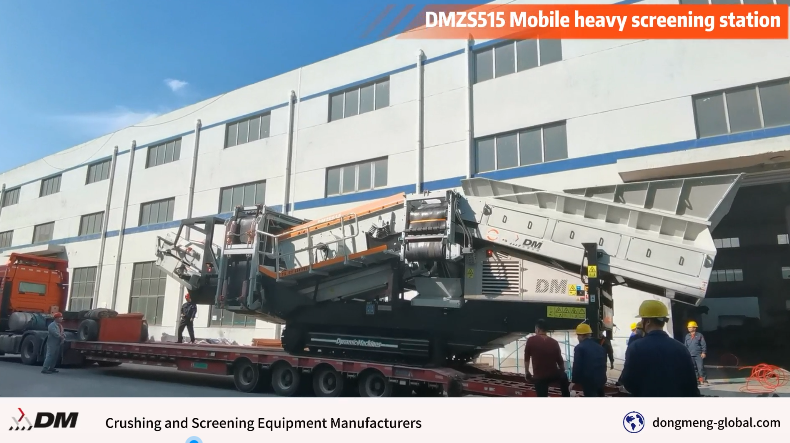
Dredging projects are typically temporary, and the disposal sites are often remote or undeveloped. There is no permanent power supply, no concrete foundation, and no fixed plant infrastructure. A tracked mobile screening machine is completely self-contained—diesel engine, hydraulic system, feed hopper, discharge conveyors all on one tracked chassis. It needs only a reasonably flat piece of ground to operate. This self-sufficiency makes it possible to set up processing operations virtually anywhere along a river or at any dredge disposal site, without waiting for site development or utility installation.
Multiple Products from a Single Feed Stream
Dredged sediment is a mixed material, and a tracked mobile screening machine with multiple decks separates it into several products: oversize debris (trash, wood, rock) for disposal, coarse gravel for construction use, medium sand for general fill or concrete, and fine sand and silt for various uses or disposal. Producing multiple products maximizes the value recovered from the dredged material and reduces the volume that must be disposed of. For projects where beneficial reuse is a goal, this multi-product capability is essential—different fractions can be directed to different reuse applications.
Dredging and Sediment Processing Applications
Port and Harbor Maintenance Dredging
Ports and harbors require regular maintenance dredging to keep shipping channels and berths at adequate depth. This maintenance dredging produces large volumes of sediment that must be managed. A tracked mobile screening machine set up at the dredge disposal area processes the dredged material, dewatering it and separating sand and gravel fractions that can be beneficially reused—for beach nourishment, construction fill, or port expansion works. Processing the material on site reduces the volume going to confined disposal facilities and recovers valuable sand and gravel resources.
River Channel Deepening and Restoration
River deepening projects—for navigation, flood control, or environmental restoration—dredge sediment from the river channel and banks. A tracked mobile screening machine processes this dredged material on the riverbank, recovering usable sand and gravel. The coarser fractions can be used for riverbank stabilization, levee construction, or local construction projects. The fine silt and clay fraction may be used for wetland creation or other environmental purposes. Processing dredged material on site with mobile equipment minimizes haulage and supports the project's environmental goals.
Environmental Remediation Dredging
Contaminated sediment in rivers, lakes, and harbors is often dredged as part of environmental remediation projects. In these projects, the goal is to remove contaminated material and safely manage it. A tracked mobile screening machine can be used to separate the sediment into fractions with different contamination levels—coarser, cleaner fractions that can be reused and finer, more contaminated fractions that require treatment or disposal. This separation reduces the volume of material that must be treated as hazardous waste, lowering the overall cost of remediation.
Beach Nourishment Sand Processing
Coastal erosion and sea level rise have made beach nourishment a common practice worldwide. Sand is dredged from offshore sources and pumped onto eroding beaches to restore them. A tracked mobile screening machine can be used to process and grade the dredged sand before it is placed on the beach, ensuring it meets the specific grain size requirements for beach nourishment. The mobile screen can be set up near the dredge discharge point, removing oversize material and adjusting the gradation to match the target beach sand specification.
Inland Lake and Reservoir Dredging
Lakes and reservoirs accumulate sediment over time, reducing their storage capacity and degrading water quality. Dredging removes this sediment, and the material must be processed and managed. A tracked mobile screening machine is well suited for inland lake dredging projects, which are often smaller and more scattered than port and river projects. The mobile screen can be moved between access points around the lake, processing dredged sediment as it is brought ashore.
Construction Dewatering and Tunneling Spoil
While not strictly dredging, construction dewatering projects, tunneling operations, and foundation excavations also produce large volumes of wet, sandy material that must be dewatered and processed. A tracked mobile screening machine handles this material similarly to dredged sediment, dewatering it and separating it into usable fractions. For large construction projects in urban areas, on-site processing reduces the volume of material that must be hauled away.
Benefits for Dredging Contractors and Port Authorities
Beneficial Reuse and Cost Reduction
The biggest economic benefit of processing dredged material with a tracked mobile screening machine is the ability to beneficially reuse material that would otherwise be disposed of. Sand and gravel recovered from dredged sediment can be sold or used in construction, beach nourishment, or land reclamation projects. This generates revenue or offsets costs, improving the overall economics of the dredging project. At the same time, the volume of material requiring expensive confined disposal is reduced, lowering disposal costs.
Compliance with Environmental Regulations
Environmental regulations increasingly require that dredged material be managed in the most environmentally beneficial way possible, with disposal as the last resort. Processing dredged material with a tracked mobile screening machine to recover usable fractions demonstrates a commitment to beneficial reuse and helps satisfy regulatory requirements. For port authorities and government agencies, this environmental compliance is both a legal obligation and a public relations benefit.
Mobility to Match Dredge Operations
Dredges move continuously along a waterway, and the on-land processing equipment must keep up. A tracked mobile screening machine can be relocated quickly and easily, ensuring that the processing plant stays near the active dredge area. This minimizes haul distance for dredged material, reduces transportation cost, and keeps the overall operation efficient. For long linear projects, this mobility is absolutely essential.
Fast Project Startup
Dredging projects often have tight schedules, and the processing equipment must be operational quickly. A tracked mobile screening machine can be delivered to the site and set up in days—no foundation, no permanent structure, no lengthy installation. This fast startup means the processing operation can begin as soon as the dredge starts producing material, avoiding delays and keeping the project on schedule.
Reduced Environmental Footprint
Processing dredged material on site with a mobile screen reduces the need to haul material long distances for disposal or processing. Fewer truck trips mean less fuel consumption, less air pollution, less road wear, and less traffic disruption in local communities. Beneficial reuse of dredged material also reduces the need to mine virgin sand and gravel from quarries, preserving natural resources. These environmental benefits are increasingly important to project owners, regulators, and the public.
Selection Considerations for Dredging Applications
Choosing the right tracked mobile screening machine for dredging and sediment processing requires careful evaluation of several factors. Throughput capacity must match the dredge production rate—the screen must be able to process material as fast as the dredge produces it. The number of screen decks depends on how many product fractions are needed; two or three decks are typical for dredging applications. Screen media selection is critical for wet, fine material; polyurethane panels, wedgewire screens, or perforated plate may be preferred over woven wire cloth for dewatering and wet sizing applications. Machine size and transport weight affect how easily it can be moved between sites and access points. Engine power and fuel consumption are important for remote sites where fuel supply logistics are challenging. Additional options like high-frequency vibration for better dewatering, spray bars for washing, and special underflow collection systems for water management should be considered based on the specific application. The machine should also have good corrosion resistance for use in marine or brackish water environments.
Operation and Maintenance in Dredging Environments
Dewatering Efficiency Optimization
The primary function of a tracked mobile screening machine in dredging service is dewatering, and optimizing dewatering efficiency is key. Screen deck angle, vibration amplitude and frequency, and feed rate all affect how much water is removed. Operators should adjust these parameters based on the characteristics of the dredged material—finer material typically requires steeper deck angles and higher frequency for effective dewatering. The screen media type and aperture size also influence dewatering performance; the right media for the specific material should be selected.
Screen Media Management for Wet Abrasive Material
Wet sand is highly abrasive, and screen media wears quickly in dredging applications. Operators should inspect screen media regularly for wear and replace it before it fails. Polyurethane panels generally last longer than wire cloth in wet abrasive service and should be considered where appropriate. Having spare media on hand minimizes downtime when replacement is needed. Keeping the screen clean and free of buildup also helps maintain both dewatering and sizing performance.
Water Management and Collection
Dredging processing operations generate large volumes of water that must be managed properly. The tracked mobile screening machine's underflow collection system should be connected to settling ponds, clarification systems, or water treatment facilities. Operators should monitor water quality and ensure that all runoff is contained and treated as required by environmental permits. Good water management prevents contamination of local waterways and ensures compliance with regulatory requirements.
Corrosion Protection and Cleaning
In marine and brackish water environments, corrosion is a constant concern. The tracked mobile screening machine should be washed down with fresh water regularly to remove salt deposits, especially after contact with seawater. Painted surfaces should be inspected regularly and touched up as needed to prevent rust. Bearings, hydraulic components, and electrical systems should be checked for signs of corrosion or water ingress. Good corrosion protection extends the life of the machine and reduces maintenance costs in marine environments.
Material Quality Monitoring and Testing
For beneficial reuse applications, the quality of the processed dredged material must be verified. Operators should implement a sampling and testing program to monitor the gradation, cleanliness, and (where applicable) contamination levels of each product fraction. Test results should be documented and provided to regulators or end users as required. If material quality changes—for example, if the dredge encounters a different sediment type—the screen settings or processing approach may need to be adjusted.
Conclusion
River and port dredging is an essential activity for maintaining navigation, supporting commerce, and protecting waterfront communities. But managing the enormous volumes of sediment produced by dredging has always been a challenge—and an expense. The tracked mobile screening machine is changing the economics of dredged material management by making on-site processing and beneficial reuse practical and cost-effective. By dewatering and sizing dredged sediment right at the disposal site, these mobile screens recover valuable sand and gravel resources, reduce disposal volumes, lower haulage costs, and support environmental compliance. For dredging contractors, port authorities, and environmental remediation firms, a tracked mobile screen is more than just processing equipment—it is a tool that transforms dredged material from a waste problem into a resource opportunity. As environmental regulations continue to tighten, as the demand for sand and gravel grows while natural sources become scarcer, and as the benefits of beneficial reuse become more widely recognized, the role of mobile screening in dredging projects will only expand. The tracked mobile screening machine has proven its value in dredging and sediment processing, and it will continue to be an essential tool for the dredging industry as it moves toward a more sustainable, resource-recovery approach to managing our waterways.
We will answer your email shortly!