

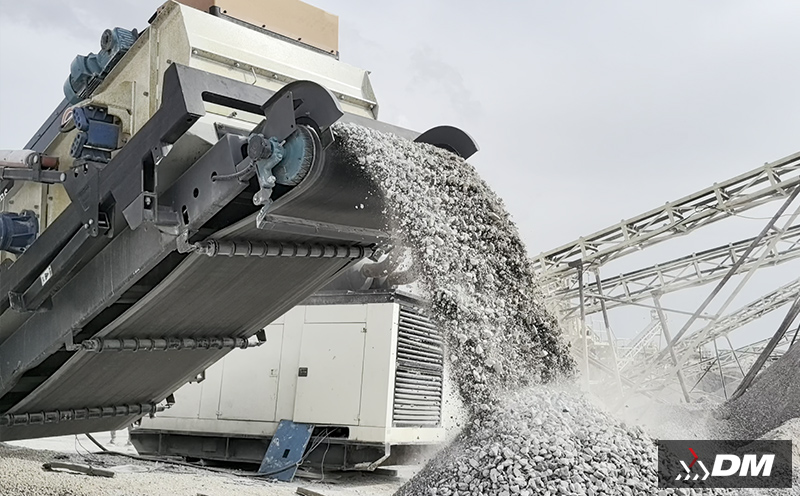
Screening Flexibility Wins on Changing Sites
In many crushing and recycling operations, screening receives less attention than crushing. That is a mistake. A project can have strong crushers, experienced operators, and steady feed, but if material is not classified accurately, the final products lose value, stockpiles become mixed, and customers start questioning consistency. Screening is where production becomes marketable.
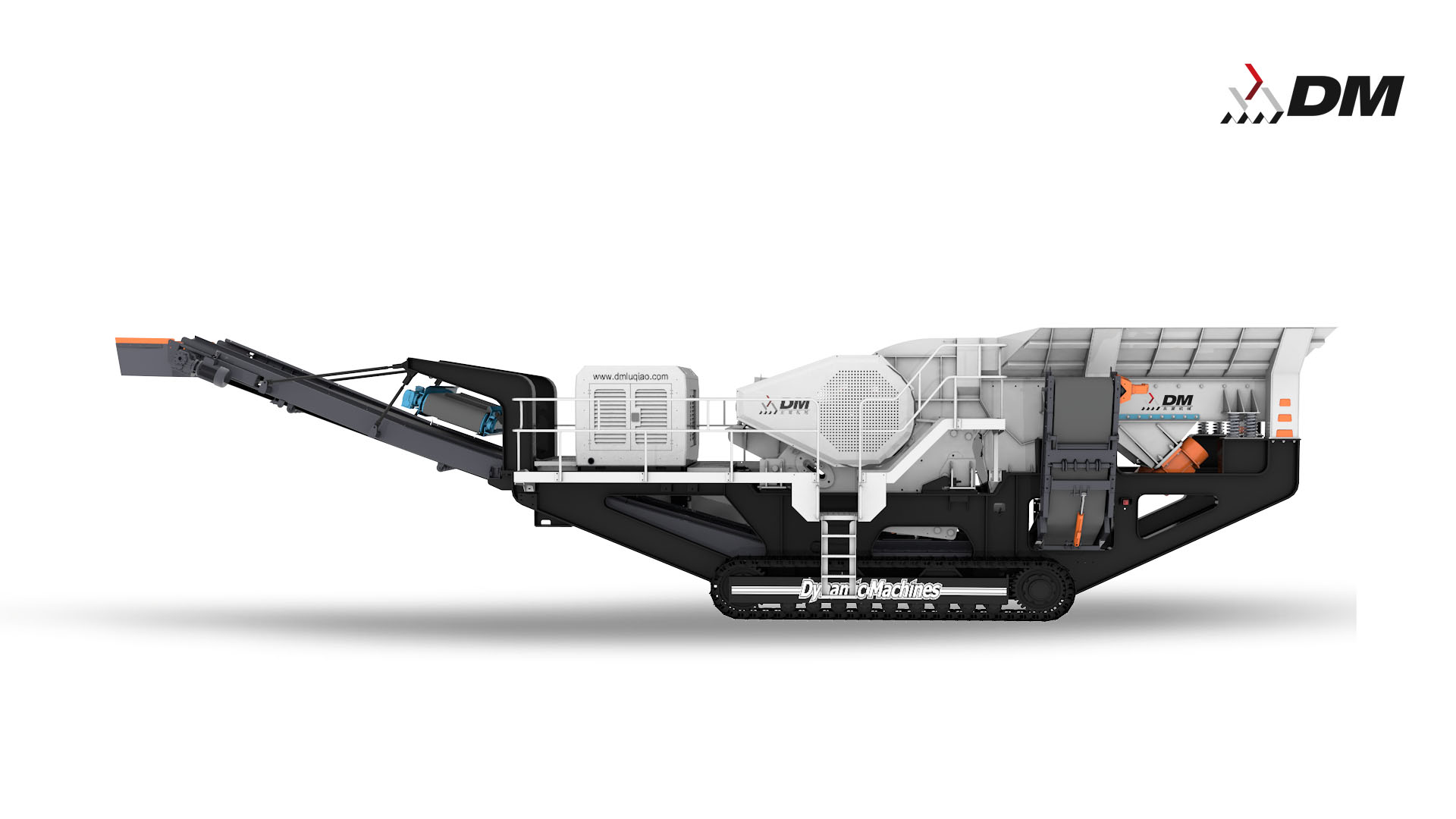
This is especially true for contractors and recyclers working across multiple sites with changing materials. One week the job may involve topsoil and oversize stone. The next week it may be recycled concrete, scalpings, asphalt millings, or quarry products that require different separation logic. In these situations, a permanent plant layout is often too slow and too rigid. The tracked mobile screening machine offers a more practical answer.
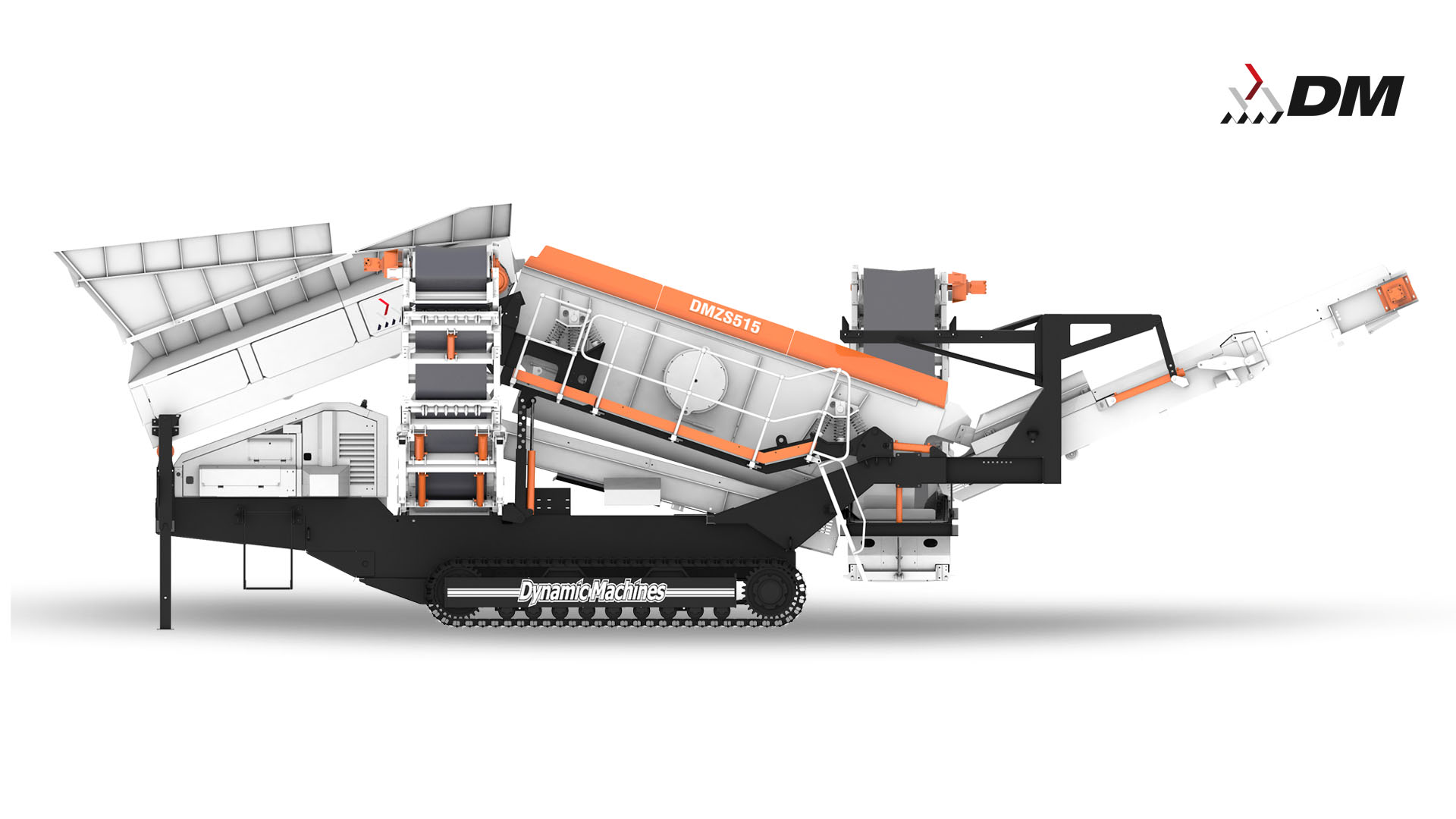
For overseas customers dealing with moving projects, seasonal demand shifts, or a wide variety of feed materials, the tracked mobile screening machine provides a way to keep classification close to the source, maintain product control, and respond quickly when site conditions change.
Why Screening Is Often the Real Bottleneck
When customers complain about poor product consistency, the issue is frequently blamed on the crusher. In reality, the bottleneck may be the screen. If material is not separated cleanly, several problems appear at once:
Oversize contaminates saleable fractions
Customers receive inconsistent material and may reject loads.
Fines control becomes weak
Products lose value when excess fines are mixed into the wrong stockpile.
Crushers work harder than necessary
Poor screening can increase recirculation and reduce overall circuit efficiency.
Site productivity falls
Blockages, overflow, and poor material handling create delays.
These problems become more severe when the operation moves between locations and materials. A tracked mobile screening machine helps because it can be repositioned, reconfigured, and integrated into different process flows without the delays of a fixed installation.
Mobility Matters More Than Many Buyers Expect
The main value of a tracked mobile screening machine is not only transport convenience. It is the ability to protect product quality while following the material source and adapting to operational changes.
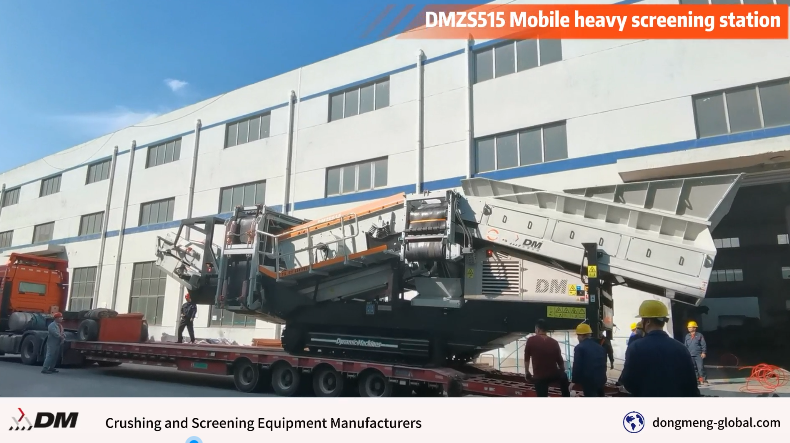
On a contract site, screening may need to sit after a crusher one month, work as a stand-alone scalper the next month, and then classify recycled material in a tight urban yard after that. A fixed screening machine may perform well in one arrangement but create inefficiency when the job changes. A tracked solution allows the fleet to respond without rebuilding the plant every time.
This is particularly useful where project geography is wide, material sources are temporary, or land access is limited. Instead of moving material long distances just to classify it, the operator moves the tracked mobile screening machine to the material.
High-Value Applications
The tracked mobile screening machine performs well across a broad range of field conditions.
Quarry support screening
It can classify finished aggregate, scalp raw feed, or manage intermediate fractions.
Construction and demolition recycling
On-site separation improves the value of recycled concrete, asphalt, brick, and soil-based streams.
Topsoil and compost processing
Mobility helps operators follow seasonal and regional demand.
Infrastructure projects
Road, rail, and utility works benefit from flexible classification close to the point of use.
Mining and overburden support
Temporary campaigns can use mobile screening without investing in permanent structures.
This range makes the machine attractive to overseas customers who need one asset to support several revenue streams.
How It Solves Customer Pain Points
Customers in aggregate, recycling, and earthworks generally care about three things: product consistency, operating speed, and cost control. The tracked mobile screening machine directly supports all three.
Cleaner products
Accurate separation improves market confidence and reduces claims or rejected loads.
Lower material handling cost
Classifying near the source cuts unnecessary transport and rehandling.
Faster adaptation to new jobs
The unit can move between sites without large civil works or long installation periods.
Better integration with mobile fleets
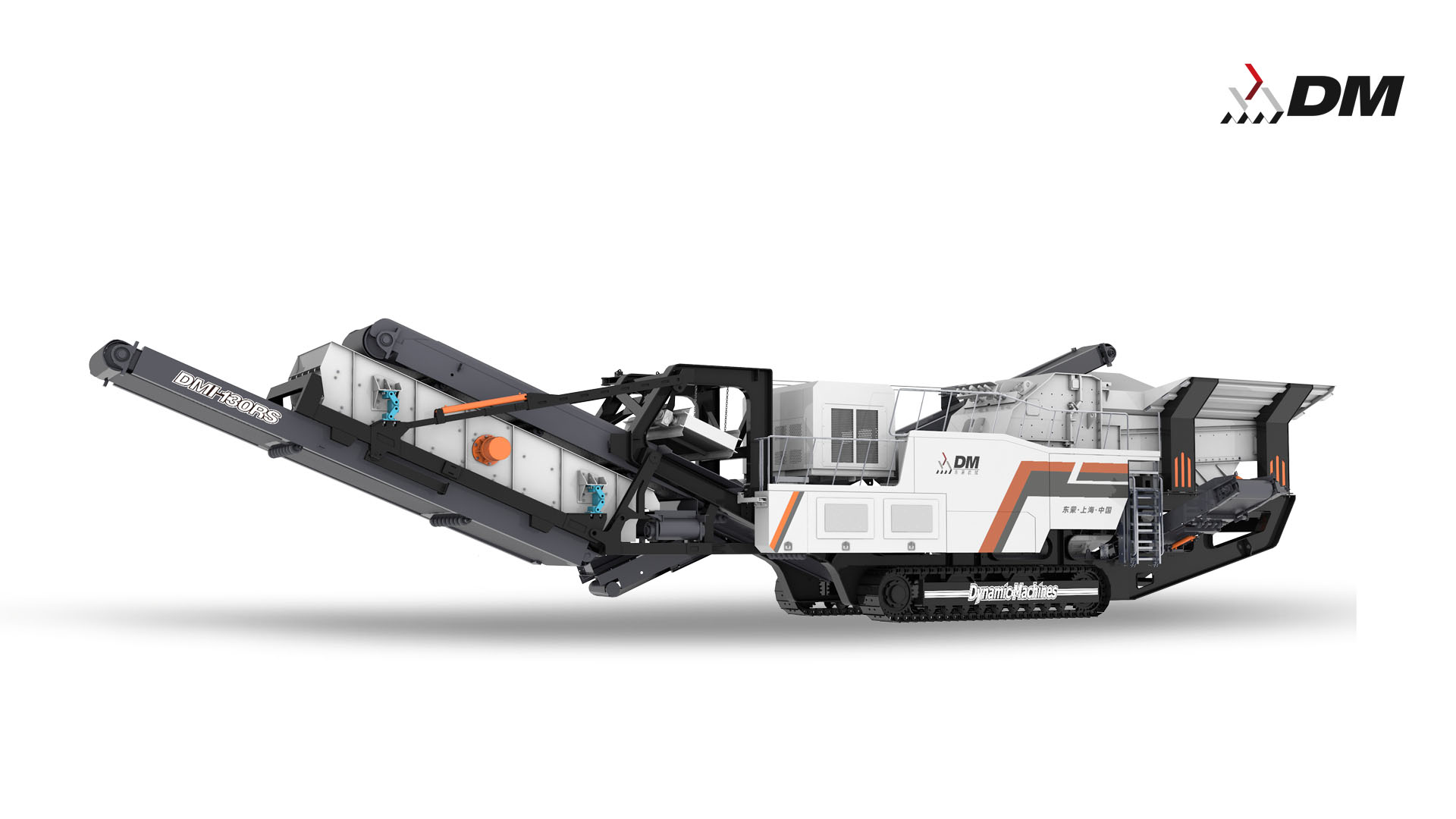
The tracked mobile screening machine works well with mobile crushers, conveyors, and stackers.
More opportunities from difficult materials
Operators can process variable feed streams and still produce usable, separated fractions.
These benefits matter most where margins depend on flexible deployment rather than fixed-plant scale.
What Buyers Should Evaluate
Screening performance depends heavily on application fit. Buyers should assess deck configuration, screen media options, throughput range, hopper design, and discharge layout according to the materials they expect to process.
A tracked mobile screening machine intended for aggregate finishing may require different setup logic than one focused on recycling or topsoil. Sticky feed, wet fines, and contamination levels must be considered. It is also important to think about transport dimensions, fuel efficiency, and how quickly the machine can be switched between applications.
International buyers should pay close attention to access for maintenance and media changes. Downtime on a mobile screen can quickly affect multiple linked machines in the train. Local support, spare parts planning, and operator training should therefore be part of the purchasing decision from the start.
Operating Discipline Still Determines Results
Although mobility is a major advantage, good results still depend on disciplined operation. Feed should be presented consistently, and screen media should match the separation target. Poor setup can reduce accuracy even on a high-quality machine.
Daily checks should include deck condition, tensioning systems, tracks, hydraulics, conveyors, and discharge zones. Because screen performance is highly sensitive to wear and blinding, proactive maintenance is essential. A well-maintained tracked mobile screening machine can protect product quality; a neglected one can damage the reputation of the whole operation.
Operators should also understand material behavior. Wet recycled fines, sticky clay, crushed rock, and organic-rich topsoil all respond differently. The teams that get the best results are the ones that adapt setup based on real feed conditions rather than relying on a single fixed routine.
The ROI Is Built on Product Control
The financial case for a tracked mobile screening machine is often stronger than it first appears. Buyers sometimes compare it only on purchase cost or throughput. But the return usually comes from product control.
Cleaner fractions can be sold more confidently. Better separation reduces waste and rehandling. Mobile deployment supports more jobs per year. When linked with crushing equipment, effective screening also improves the efficiency of the full process line.
For contractors, recyclers, and quarry operators, that means the machine can contribute not only to operational flexibility, but also to stronger market credibility. In many regions, customers are willing to stay with suppliers who deliver consistent material even if price is not the lowest. Screening quality plays a major role in earning that trust.
Conclusion
The tracked mobile screening machine is a practical solution for operations that need accurate classification without being tied to a permanent plant. It helps contractors and recyclers follow changing site demands, handle variable materials, and produce cleaner, more saleable products close to the source.
For overseas customers working across multiple projects or material streams, the tracked mobile screening machine offers more than mobility. It provides control, responsiveness, and a better path to commercial consistency in environments where flexibility increasingly determines profit.
We will answer your email shortly!